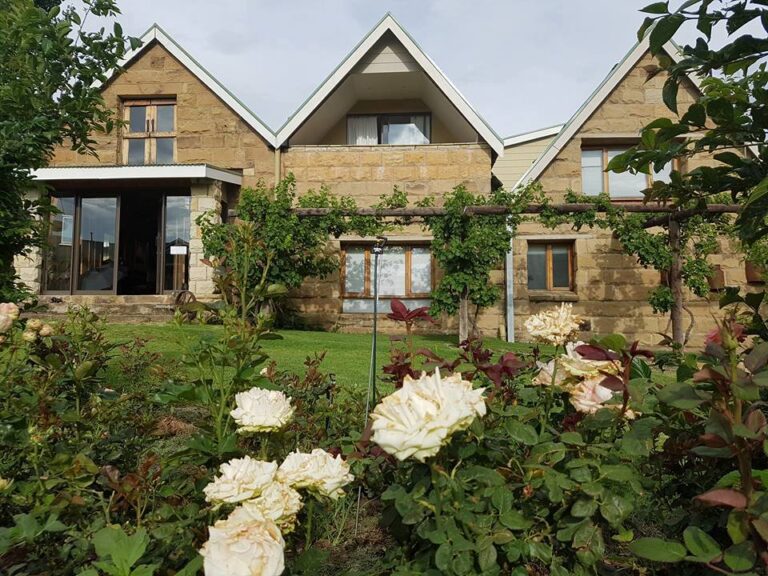
Small boutique guesthouse offering suites and an entire Villa for couples, families or groups of friends. – Multiple units/rooms at Read more...
Sorry, no records were found. Please adjust your search criteria and try again.
Sorry, unable to load the Maps API.
Guesthouses in South Africa offer travellers a unique and personalized accommodation experience.
These establishments are often family-owned and operated, with a focus on warm hospitality and attention to detail. Guests can expect to be welcomed into a comfortable and inviting home away from home, with cosy bedrooms and shared spaces that reflect the local culture and style.
Guesthouses come in a range of sizes and styles, from historic homes to modern villas, and offer a variety of amenities to suit all needs and budgets. Some guesthouses may feature communal areas where guests can mingle and relax, while others may offer private balconies or gardens for a more secluded experience.
Many guesthouses also provide breakfast, often featuring local and seasonal ingredients to showcase South Africa’s culinary diversity. With their personal touch and local charm, guesthouses in South Africa are an ideal choice for travellers seeking an authentic and immersive travel experience.
Clarens is widely regarded as the art capital of South Africa. In 2026, the local economy remains anchored by a dense concentration of galleries, studios, and artisanal workshops. The Clarens Arts Festival (April 2026) continues to be a flagship event, attracting national and international patrons with curated exhibitions such as the Chronicles of Faith by Anton Smit. For the creative sector, the town offers a mature market for visual arts, high-end ceramics, and traditional Basotho textile design. This "Artisan Economy" supports a robust retail sector that thrives on foot traffic along the walkable Village Square.
Situated just 20 km from the Golden Gate Highlands National Park, Clarens is a primary hub for adventure and outdoor tourism. In 2026, the town serves as the base for high-octane activities including white-water rafting on the Ash River (fed by the Lesotho Highlands Water Project), hot air ballooning, and technical mountain biking. This sector drives a significant micro-economy for adventure operators, equipment rentals, and specialized nature guides. The town’s unique sandstone geology also supports a niche market for paleontological "fossil-hunting" safaris and rock-art tours.
Clarens is a premier destination for the luxury hospitality and wedding industry. In 2026, the town features a sophisticated mix of boutique hotels, such as the Protea Hotel by Marriott Clarens, and hundreds of high-end self-catering lodges and B&Bs. The "Wedding Economy" is a major revenue driver, with venues like the Clarens Golf & Leisure Estate hosting ceremonies year-round. For the service sector, this creates a sustained demand for professional catering, event coordination, and high-tier hospitality management services.
Clarens is a critical node on the R712 Highlands Route, connecting Bethlehem to the Lesotho border and the Drakensberg. In 2026, the town functions as a vital service and transit stop for travelers exploring the Maluti-Drakensberg Route. While the tourism economy is booming, the town faces 2026 infrastructure challenges, with local business forums actively lobbying for enhanced road maintenance to protect the high-volume transit of luxury tourist vehicles and freight. For logistics and retail firms, Clarens offers a high-visibility environment for "boutique" fuel franchises and convenience retail tailored to the affluent traveler.
In line with 2026 global trends, Clarens is positioning itself as a leader in sustainable tourism. The upcoming Clarens Festival of Lights (September 2026) highlights the town’s shift toward eco-friendly events and renewable energy awareness. This "Green Transition" is reflected in the local property market, where there is a high demand for solar-integrated, off-grid homes and eco-estates. For the business community, this presents opportunities in sustainable architecture, water-purification technology, and the development of "circular economy" artisanal products that appeal to the environmentally conscious visitor.