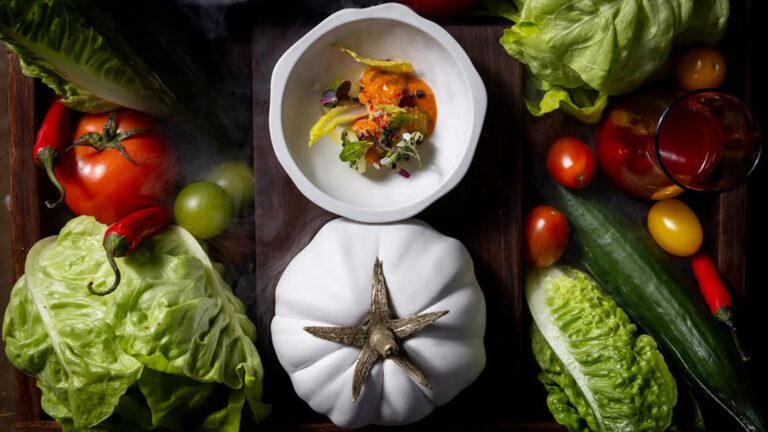
La Petite Colombe is a world-class fine dining restaurant located in the picturesque Franschhoek Valley, offering an unforgettable culinary experience. Read more...
Sorry, no records were found. Please adjust your search criteria and try again.
Sorry, unable to load the Maps API.
Restaurants and bars in South Africa offer a vibrant and diverse culinary scene that reflects the country’s rich cultural heritage and contemporary trends.
From traditional African cuisine to international flavours, these establishments cater to a wide range of tastes and preferences. Whether you’re looking for a casual dining experience, a gourmet meal, or a lively bar atmosphere, South Africa’s restaurants and bars provide something for everyone. In the bustling cities of Cape Town, Johannesburg, and Durban, as well as in picturesque towns and along scenic coastlines, you’ll find eateries and bars that showcase the best of local produce, fine wines, and craft beverages.
These businesses are committed to delivering excellent service, creative menus, and an inviting ambience, making them popular destinations for both locals and tourists.
With a focus on fresh ingredients, innovative dishes, and a welcoming atmosphere, South Africa’s restaurants and bars offer an unforgettable dining experience that captures the essence of the country’s diverse culinary landscape.
Franschhoek is globally recognized as the premier gastronomic destination of the African continent. In early 2026, the town remains home to a higher concentration of award-winning restaurants and "Eat Out" stars than any other rural node in the country. This culinary prestige drives a sophisticated local economy focused on high-end hospitality, specialized food supply chains, and artisanal beverage production. For the business community, Franschhoek offers an elite market environment where excellence is the standard, supporting a robust sector in professional catering services, gourmet food processing, and luxury hospitality management.
As one of the oldest wine-producing regions in South Africa, Franschhoek is famous for its unique "terroir" and its deep-rooted French Huguenot heritage. In 2026, the Franschhoek Wine Valley remains a powerhouse of high-value viticulture, particularly renowned for its Méthode Cap Classique (MCC) sparkling wines and premium Semillon. This agricultural strength fuels a diverse ecosystem of business activities, including wine export logistics, international marketing consultancies, and specialized viticultural engineering. The region’s wine estates are not only production sites but also significant commercial hubs for weddings, corporate events, and luxury lifestyle retail.
The town has pioneered the integrated tourism model through the Franschhoek Wine Tram, a hop-on-hop-off transport system that connects the town centre to numerous wine estates. In early 2026, this infrastructure continues to be a major catalyst for local business growth, ensuring a consistent flow of footfall to both the valley’s peripheries and the central boutique stores. This model has created a resilient retail environment on Huguenot Road, the town’s main thoroughfare, which hosts an eclectic mix of international art galleries, high-end fashion boutiques, and specialized interior design studios.
Franschhoek’s unparalleled scenic beauty and high safety profile have made it a global hotspot for luxury real estate and the "lifestyle migrant" market. In 2026, the town is a preferred destination for high-net-worth "digital nomads" and remote-working executives who value its proximity to Cape Town and Stellenbosch while enjoying a rural atmosphere. This demographic trend has spurred a booming local economy in premium residential services, including landscape architecture, specialized home security, and high-speed fiber-optic infrastructure providers. The town’s social fabric is further enriched by its world-class private schools and wellness facilities.
The town’s identity is inextricably linked to the French Huguenots who settled here in 1688, a history memorialized by the iconic Huguenot Monument. In early 2026, this cultural legacy continues to drive significant seasonal economic activity, most notably through the Bastille Day Festival in July. These cultural events provide a massive injection of capital into the local economy, benefiting event management firms, artisanal craftsmen, and the broader hospitality industry. The town’s commitment to preserving its architectural and cultural heritage ensures its enduring appeal as a "prestige brand" in the global tourism and investment market.