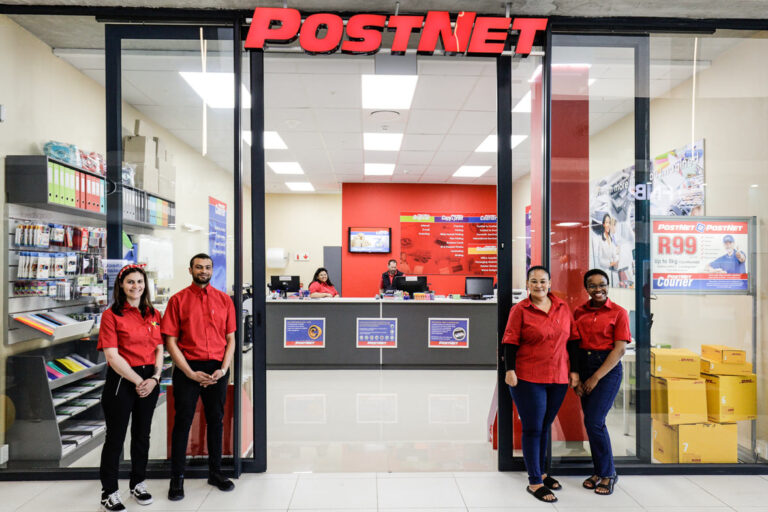
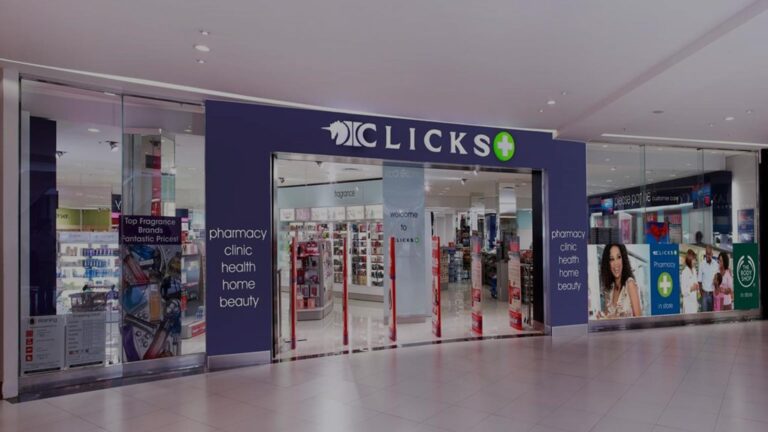
About Clicks Bethlehem Founded over 55 years ago in 1968, Clicks is the country’s leading health, beauty and wellness retailer Read more...
Sorry, no records were found. Please adjust your search criteria and try again.
Sorry, unable to load the Maps API.
True to its name (Hebrew for "House of Bread"), Bethlehem is the heart of South Africa’s high-yield wheat belt. In 2026, it remains a dominant force in the national food supply chain, hosting massive industrial operations like the SASKO Bethlehem Mill, which processes over 144,000 tons of wheat annually. For businesses, the city offers a mature agro-processing ecosystem that includes flour milling, dairying, and malting. The fertile surrounding district also produces significant volumes of maize and sunflowers, making Bethlehem a primary destination for agricultural machinery OEMs, grain storage providers, and specialized veterinary services.
Bethlehem occupies a critical position in South Africa's internal logistics network. It serves as a primary junction where the N5 (linking KwaZulu-Natal to the Western Cape via the N1) meets the R26 and R76. Its historical importance as a railway workshop hub has evolved in 2026 into a modern logistics opportunity, facilitating the movement of freight between the Highveld and the Port of Durban. For entrepreneurs, the city provides a strategic base for long-haul transport depots, break-bulk warehousing, and fleet maintenance services. Its well-developed air and rail links ensure that local manufacturers have efficient access to both domestic and international markets.
As the primary urban gateway to the Golden Gate Highlands National Park and the "artistic" village of Clarens (just 40 km away), Bethlehem captures a significant share of the regional tourism spend. The city functions as the "service station" for the Maluti Highlands, where tourists stock up on supplies and luxury goods. This drives a high-turnover retail and hospitality sector, supported by anchors like the Frontier Inn and Casino and the Bethlehem Mall. For small businesses, the city’s role as a tourism conduit offers stable demand for boutique accommodation, specialized outdoor retail, and cultural heritage experiences like the Bethlehem Museum.
As the administrative seat of the Dihlabeng Municipality, Bethlehem hosts a high concentration of provincial government offices, judicial services, and regional police headquarters. It is also the primary medical hub for the Eastern Free State, featuring a cluster of high-capacity facilities including the Phekolong Provincial Hospital and private clinics. This institutional density provides a recession-resistant economic baseline, supporting a large workforce of professionals who drive demand for high-end residential real estate, private schooling, and sophisticated financial and legal consultancies.
Beyond agriculture, Bethlehem has a long-standing tradition of industrial manufacturing, ranging from furniture and textile mills to cold-storage plants. In 2026, the city is benefiting from the Free State Industrialization Indaba initiatives, which focus on upgrading local industrial parks to attract small-to-medium manufacturing enterprises (SMMEs). The availability of affordable industrial land and a stable power grid (often supplemented by local renewable projects) makes it an attractive alternative to the more congested metros of Gauteng. The city’s diverse industrial base ensures that its economy remains balanced across the primary, secondary, and tertiary sectors.