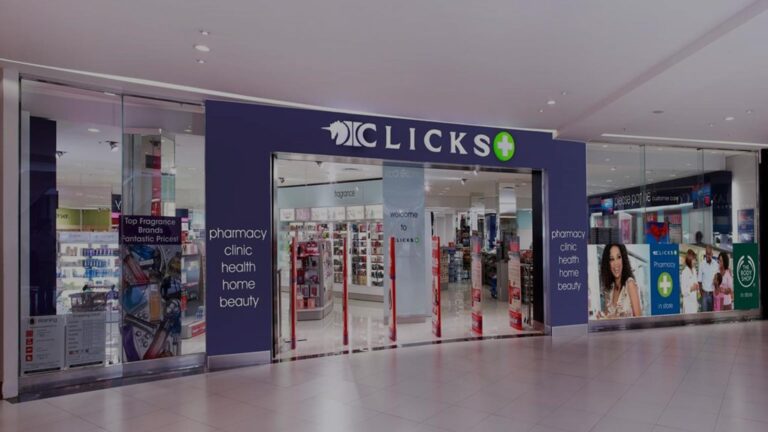
About Clicks Teemane Retail Park Founded over 55 years ago in 1968, Clicks is the country’s leading health, beauty and Read more...
Letlhakaneng is a significant rural node within the Madibeng Local Municipality. Historically, the village has functioned as both a residential settlement and a sending area for labor migration toward the industrial and mining hubs of the Bojanala Platinum District. The local economy is characterized by a mix of subsistence and small-scale commercial agriculture, alongside informal trade. Many residents commute to nearby Brits or the Gauteng metropolitan area for employment in the manufacturing and service sectors. This dual identity—as a quiet rural village and a commuter settlement—shapes the local marketplace, which is dominated by "spaza" shops, community service providers, and transport-related enterprises.
In recent years, Letlhakaneng has been the focus of substantial government investment through the North West Department of Human Settlements. The locality is a site for major integrated housing projects, with hundreds of new units planned and constructed to alleviate the housing backlog in the Madibeng area. These developments are transforming the village from a traditional rural settlement into a more structured residential precinct. For businesses in the construction, civil engineering, and hardware sectors, this ongoing expansion represents a significant opportunity for local supply chain integration and infrastructure development, including the rollout of formal water and electrical reticulation systems.
While Letlhakaneng maintains a rural atmosphere, its economic prospects are inextricably linked to its position within the world’s most productive platinum region. The village is situated on the periphery of the Merensky Reef, where large-scale mining operations drive the broader regional economy. This proximity ensures that local service providers can tap into the secondary mining economy, providing support services and consumables. The high concentration of mining activity in nearby Marikana and Mooinooi creates a resilient demand for housing and consumer goods within Letlhakaneng, positioning the village as a vital residential buffer for the mining workforce.
The logistical connectivity of Letlhakaneng is supported by its proximity to major arterial routes, including the R566 and the N4 highway. These routes provide essential links to the industrial centers of Rosslyn, Pretoria, and Rustenburg. Within the village, infrastructure upgrades remain a municipal priority, with a focus on improving internal road networks to facilitate the movement of commuters and agricultural produce. The presence of social infrastructure, such as local schools and health clinics, ensures that Letlhakaneng remains a self-sufficient community node. As the Madibeng Local Municipality continues its infrastructure drive, the village is set to benefit from enhanced telecommunications and public transport links.
Looking toward the late 2020s, Letlhakaneng is poised for continued growth as part of the North West’s broader urbanisation strategy. The "Smart and Mega Cities" programme in the province often identifies high-growth nodes in the Madibeng area for future-tech integration. Potential for investment exists in the fields of agri-processing—leveraging the fertile soil of the Brits district—and renewable energy, specifically small-scale solar installations for new housing units. As the integration between the North West and Gauteng economies deepens, Letlhakaneng serves as a prime example of a village transitioning into a modern, serviced residential and commercial node.