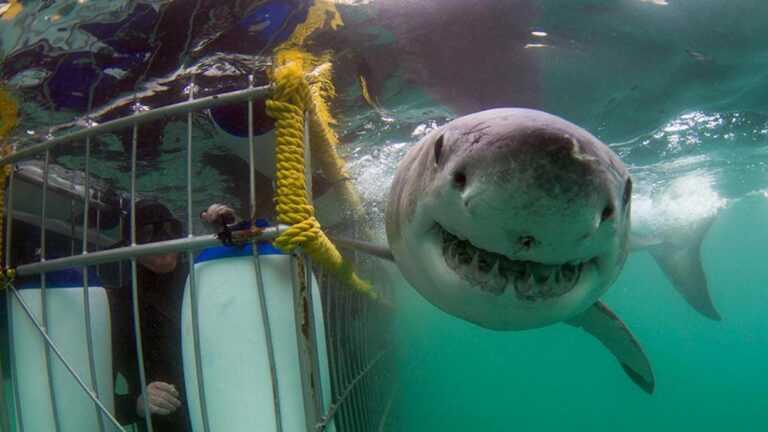
Great White Shark cage diving in Cape Town and Gansbaai, South Africa is the number 1 for most on their Read more...
The locality is globally recognized as one of the most significant sites for land-based whale watching. Nestled along the limestone cliffs of Walker Bay, the village overlooks a deep-water cove where Southern Right Whales congregate annually to calve and mate. In 2026, the area remains a centerpiece of the "Whale Coast" economy, attracting high-value international travelers who contribute to a thriving boutique hospitality sector.
Beyond its marine appeal, the area holds immense archaeological weight. The Klipgat Cave, located within the adjacent Walker Bay Nature Reserve, is a World Heritage-status site containing some of the oldest Homo sapiens remains and Middle Stone Age artifacts in South Africa. This intersection of natural wonder and deep human history makes the node a critical asset for the Western Cape’s cultural tourism strategy.
In 2026, the Western Cape residential property market continues to outperform national averages, with the Overberg district seeing significant house price inflation. The locality has transitioned from a seasonal holiday resort into a year-round residential choice for "semigrants" seeking a high-quality, nature-centric lifestyle. This demographic shift has spurred investment in modern, eco-friendly residential architecture that utilizes solar power and rainwater harvesting to align with provincial sustainability goals.
The local economy is anchored by several key sectors:
Adventure Tourism: This includes shark cage diving (operating out of nearby Gansbaai), sea kayaking, and guided cave spelunking.
Specialized Hospitality: A network of boutique guesthouses and high-end seafood restaurants that leverage the region's productive fishing heritage.
Conservation Services: Private and public partnerships focused on the protection of the Walker Bay Whale Sanctuary and the fynbos-rich nature reserves.
Strategic connectivity is provided by the R43 provincial road, which links the village to the regional hubs of Hermanus and Cape Town. Under the 2026/2027 Overstrand Municipal Budget, a total capital expenditure of R242.7 million has been prioritized for the district. For this coastal node, the focus is on maintaining the integrity of the limestone cliff-front roads and upgrading water reticulation systems to support the growing residential population.
For the 2026/2027 financial year, the municipality has proposed specific tariff adjustments effective from 1 July 2026. Property rates, refuse, sewer, and water services are set for a 5% increase, while electricity tariffs will adjust by 8.5%. The municipality is also in the third year of its "Cost of Supply" model, which aims to make electricity billing more sustainable while supporting the integration of domestic solar systems.
A notable commercial development in mid-2026 is the tender for the sale of Erf 1070, a 7.8-hectare site intended for conservation-led tourism and nature reserve development. This project is expected to further enhance the locality's profile as a destination for sustainable environmental facilities.