Scenic Country Park Setting Cedar Junction is located 8 km east of the Solomon Mahlangu (formerly Hans Strijdom) intersection on Read more...
Sorry, no records were found. Please adjust your search criteria and try again.
Sorry, unable to load the Maps API.
Amusement parks and theme parks in South Africa offer families, tourists, and thrill-seekers an exciting mix of entertainment, outdoor adventure, and memorable shared experiences. These attractions combine rides, interactive activities, water features, games, and themed environments to create full-day leisure destinations designed for visitors of all ages. Whether located in bustling metropolitan areas or scenic countryside settings, amusement and theme parks play an important role in South Africa’s tourism and recreation landscape.
Many parks are designed to cater for a wide range of visitors, from young children enjoying gentle rides and playground attractions to adults seeking high-energy thrills. Roller coasters, spinning rides, carousel attractions, adventure courses, and interactive play zones often form the backbone of these venues. Family-friendly rides such as miniature trains, swing rides, and bumper cars create opportunities for shared experiences, while larger attractions deliver the adrenaline that many visitors seek.
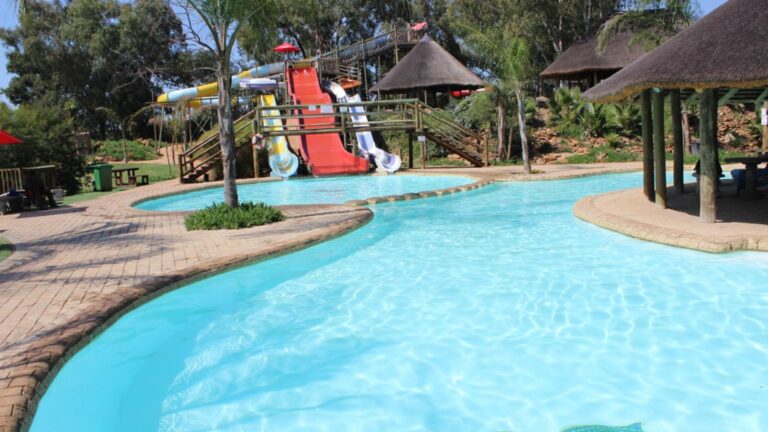
Water-based entertainment is also a popular feature within the sector. Many amusement parks incorporate water slides, splash pools, lazy rivers, and aquatic play areas to provide relief during the warmer months. These attractions are especially popular during South Africa’s summer season, offering refreshing outdoor fun for both children and adults. Safety measures such as lifeguard supervision, clearly marked age limits, and ride restrictions are typically implemented to ensure visitors can enjoy the facilities responsibly.
Beyond rides and water attractions, many parks place a strong emphasis on creating engaging environments that encourage visitors to spend extended time on site. Picnic lawns, shaded relaxation areas, food kiosks, cafés, and entertainment stages contribute to a comfortable and social atmosphere. Parents can unwind while children explore activity zones, and groups can gather for celebrations, school outings, or community events.
Theme-driven environments also play an important role in the appeal of these parks. Some attractions are designed around imaginative storytelling, adventure themes, historical settings, or fantasy concepts that enhance the visitor experience through immersive design, themed décor, and coordinated attractions. These environments transform a simple day out into an experience that stimulates imagination and creates lasting memories.
Amusement and theme parks are frequently chosen venues for birthday parties, corporate family days, school excursions, and private events. Their combination of structured activities and open recreational space allows organisers to plan gatherings that appeal to diverse age groups. Many parks offer dedicated function areas, group packages, and event support services to accommodate these occasions.
From an economic perspective, the amusement park sector contributes to tourism development, job creation, and local community engagement. Visitors often travel from surrounding towns and cities to enjoy these attractions, supporting nearby accommodation providers, restaurants, and retail businesses. As domestic tourism continues to grow, amusement and theme parks remain popular destinations for weekend outings, holiday activities, and family entertainment.
Ultimately, amusement parks and theme parks in South Africa provide a vibrant blend of leisure, adventure, and social interaction. Their ability to combine outdoor recreation with structured attractions ensures they remain a favourite choice for families and travellers seeking enjoyable experiences in safe, well-managed environments.
Pretoria is situated in the northern part of the Gauteng province and serves as the executive capital of South Africa. Founded in 1855 and named after the Voortrekker leader Andries Pretorius, the city is world-famous for its thousands of jacaranda trees that paint the streets in vibrant purple during the spring months.
It is a city of grand monuments, expansive parks, and deep historical significance, functioning as the administrative soul of the nation. Pretoria offers a sophisticated urban environment that balances its role as a political powerhouse with a high quality of life and a thriving academic culture.
Pretoria’s economy is defined by its role as a global diplomatic hub and a center for heavy manufacturing and research.
The Seat of Government: As the administrative capital, the city hosts the majority of South Africa's national government departments and over 130 foreign embassies and high commissions, making it one of the largest diplomatic centers in the world.
Automotive Hub: The northern suburb of Rosslyn is a titan of South African manufacturing, housing major assembly plants for global giants like BMW, Nissan, and Ford. This industrial cluster supports an extensive ecosystem of logistics and component manufacturing firms.
Education and Research: The city is a premier academic center, home to the University of Pretoria (UP), the Tshwane University of Technology (TUT), and UNISA (the largest open distance learning institution in Africa). It also hosts the Council for Scientific and Industrial Research (CSIR), the continent's largest research and development organization.
Commerce and Retail: Major retail nodes like Menlyn Park Shopping Centre—one of the largest in the Southern Hemisphere—and the innovative Menlyn Maine "green" precinct drive the city's commercial energy.
Pretoria offers a blend of historical gravity and natural beauty, reflecting the complex layers of South Africa’s journey.
The Union Buildings: Designed by Sir Herbert Baker, this crescent-shaped architectural masterpiece sits atop Meintjieskop. It is the official seat of the South African government and features a massive bronze statue of Nelson Mandela overlooking the city.
The Voortrekker Monument: A massive granite structure built to honor the pioneers of the Great Trek. It is a National Heritage Site known for its intricate marble friezes and its commanding view of the Tshwane skyline.
Freedom Park: Located on Salvokop, this heritage site acts as a memorial to those who died in the struggle for humanity and freedom in South Africa, offering a contemplative space that serves as a bridge between the past and the future.
National Zoological Garden: Commonly known as the Pretoria Zoo, this is the largest zoo in the country and is internationally recognized for its successful breeding programs and diverse collection of species.
Church Square: The historic heart of the city, surrounded by magnificent late 19th-century buildings like the Palace of Justice and the Ou Raadsaal, centered around the iconic statue of Paul Kruger.
The city’s infrastructure is designed to facilitate both local movement and vital national transit routes.
Gautrain: Pretoria is a primary terminal on the Gautrain rapid rail network, providing high-speed connections to Centurion, Sandton, and OR Tambo International Airport.
National Highway Hub: The city is the meeting point of the N1, N4, and N14 national highways, serving as the primary gateway to the northern provinces and neighboring countries like Botswana and Zimbabwe.
A Re Yeng: The city's bus rapid transit system provides dedicated lane services for commuters, integrating the various residential and commercial hubs of the capital with modern, efficient transport.
Pretoria stands as a symbol of South Africa’s transition—a city where historic colonial and apartheid-era architecture meets the vibrant, multi-cultural energy of a modern African capital.