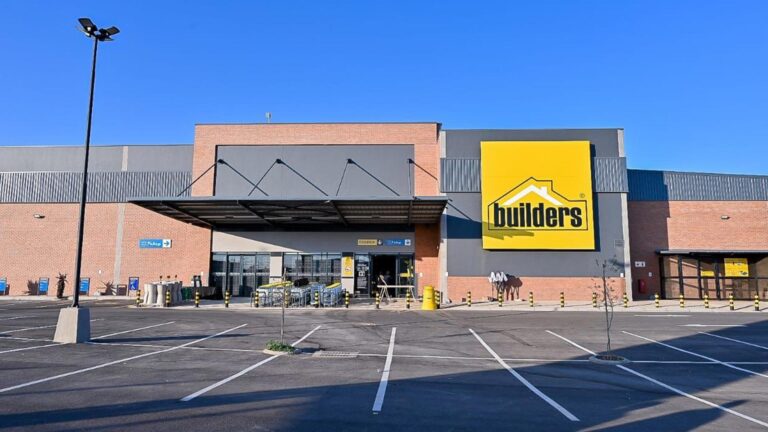
All Building/Construction Supplies & Products in East London Companies
Businesses specialising in building and construction supplies provide the essential materials and tools needed to bring construction projects to life, from small home renovations to large-scale commercial developments. These suppliers offer a wide range of products, including timber, cement, bricks, steel, roofing materials, plumbing fixtures, electrical components, and finishing products like paints and tiles. By partnering with contractors, architects, and DIY enthusiasts, these businesses play a vital role in creating safe, durable, and aesthetically pleasing structures.
Modern suppliers often focus on offering sustainable and energy-efficient materials, such as recycled products, low-VOC paints, and advanced insulation solutions, meeting the growing demand for eco-friendly construction. Many also provide value-added services like custom cutting, material sourcing, on-site delivery, and expert consultations to ensure projects run smoothly and efficiently.
With the construction industry evolving rapidly, these businesses remain at the forefront by integrating innovative building technologies and materials. By providing high-quality products, competitive pricing, and reliable support, building and construction supply businesses contribute significantly to the growth and success of construction projects of all scales.
The Automotive Heartland and Industrial Resilience
East London is a cornerstone of South Africa’s automotive industry, anchored by the massive Mercedes-Benz South Africa (MBSA) manufacturing plant. In early 2026, the city’s economy is driven by high-tech vehicle assembly and a sprawling network of component suppliers. This industrial ecosystem supports a vast market for precision engineering, specialized technical training, and industrial automation services. For the business community, East London offers a mature manufacturing environment with world-class quality standards and a deeply integrated global supply chain.
The East London Industrial Development Zone (ELIDZ)
The ELIDZ remains one of the most successful Special Economic Zones in Africa. In 2026, it has expanded beyond automotive into renewable energy, agro-processing, and ICT. The zone provides investors with "plug-and-play" infrastructure, tax incentives, and direct access to the river port. This precinct has become a hub for green manufacturing, including the assembly of solar components and electric vehicle batteries. For entrepreneurs, the ELIDZ represents a professional landing strip for export-oriented businesses and high-volume data centers.
South Africa’s Only River Port and Maritime Logistics
The Port of East London is a unique maritime asset, specialized in the handling of motor vehicles and agricultural bulk. In early 2026, the port has undergone significant deepening and refurbishment to accommodate larger vessels, enhancing its role in the "just-in-time" logistics chain. This maritime activity sustains a robust sector of freight forwarders, marine engineering firms, and stevedoring services. The city’s strategic position on the N2 highway further cements its status as the logistical heartbeat connecting the Garden Route to the Wild Coast.
Gateway to the Wild Coast and Adventure Tourism
East London serves as the primary gateway to the rugged and pristine Wild Coast. In 2026, the city’s tourism sector—featuring the iconic Nahoon Reef and the East London Aquarium—has successfully positioned itself as a premier destination for "eco-adventure" and surfing. This drives a consistent hospitality market for beachfront hotels, conference venues, and professional tour operators. For the leisure industry, East London offers a unique blend of urban amenities and raw coastal beauty, attracting a growing number of international "adventure seekers" and domestic holidaymakers.
Academic Excellence and the "Knowledge Economy"
The city is a significant educational hub, hosting campuses for University of Fort Hare, Walter Sisulu University, and several private FET colleges. In early 2026, this academic presence has fueled a "knowledge economy," with a focus on maritime research and agricultural science. The large student population ensures a high-demand market for purpose-built student accommodation, digital connectivity services, and retail franchises. This demographic energy contributes to a vibrant, youthful urban culture that supports the city's burgeoning creative and tech startup scenes.