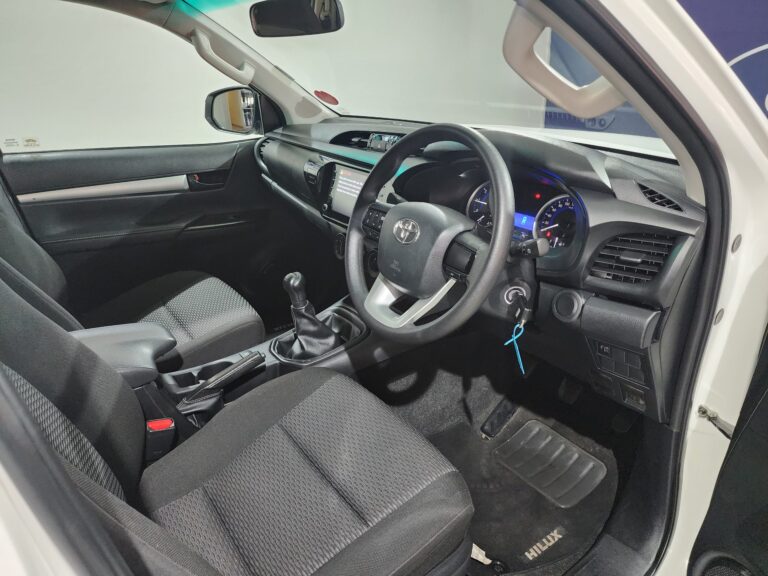
Sell Your Car Fast with WeBuyCars Mall of the North WeBuyCars offers a streamlined, tech-enabled solution for vehicle owners looking Read more...
Sorry, no records were found. Please adjust your search criteria and try again.
Sorry, unable to load the Maps API.
Car dealerships in South Africa play a central role in how individuals and businesses purchase vehicles. From large franchise showrooms to independent used car lots, nationwide dealerships cater to a broad spectrum of budgets, lifestyles, and vehicle preferences. Whether someone is looking for a brand-new compact city car, a rugged 4×4 for rural terrain, or a premium SUV with advanced safety features, there’s a dealership ready to assist.
Most established dealerships represent major global and local automotive brands. These include Toyota, Volkswagen, BMW, Ford, Hyundai, and Isuzu. Franchise dealerships tend to focus on new vehicle sales but often have certified pre-owned divisions offering approved used cars that come with service histories, warranties, and quality checks. Independent dealerships, on the other hand, usually specialise in used vehicles and are a popular choice for buyers looking for affordability or specific models that are no longer in production.
Customer experience is a key differentiator in the industry. The best dealerships offer comprehensive services beyond just selling vehicles. These typically include trade-in valuations, on-site finance and insurance facilitation, vehicle registration assistance, extended warranties, and maintenance plans. After-sales service, including scheduled servicing, repairs, parts availability, and customer support, often influences long-term loyalty and word-of-mouth referrals.
Polokwane (meaning "Place of Safety" in Northern Sotho) is the largest urban center in South Africa north of Gauteng, situated on the Great North Road (N1) approximately 260 kilometres from Pretoria. Established in 1886 as Pietersburg, the city was renamed in 2005 to reflect its heritage and its role as a sanctuary for the people of the north.
By April 2026, Polokwane has solidified its status as an "intermediate city" and a primary logistics hub for South Africa’s trade with Zimbabwe, Botswana, and Mozambique. It is a city of broad streets, coral trees, and a rapidly expanding middle class, serving as the central economic engine for the entire northern region.
Polokwane’s economy is a powerhouse of diverse sectors, leveraging its position as the last major urban stop before the Zimbabwean border.
Key economic pillars in 2026 include:
The "Moria" Pilgrimage Economy: Polokwane is the doorstep to Zion City Moria, the headquarters of the Zion Christian Church (ZCC). In April 2026, the city successfully managed one of the largest Easter gatherings in its history, with over one million pilgrims converging on the region, providing a massive seasonal boost for local retail and transport.
Mining Logistics and Beneficiation: The city serves as a critical support node for the platinum, coal, and chrome mines of the Bushveld Igneous Complex. Following the 2026 Mining Indaba, the city has seen renewed focus on local beneficiation, with the Polokwane Smelter (Anglo American Platinum) leading in industrial employment.
Retail and Commerce: The Mall of the North remains the premier retail destination in the province. In early 2026, commercial growth has continued in the Bendor and Ster Park suburbs, catering to a growing demographic of high-earning professionals.
Agri-Processing: As a hub for the processing and distribution of tomatoes and livestock products, the city's agro-processing sector remains a vital link to the Gauteng markets.
Polokwane’s infrastructure is currently undergoing significant modernization to handle its high volume of transit freight and growing population.
Notable 2026 developments include:
2026/27 Draft Budget: In April 2026, Mayor John Mpe tabled the municipal draft budget, which includes proposed increases in water and electricity tariffs to fund the maintenance of aging infrastructure.
Water Security Projects: The municipality has prioritized the Ebenezer and Olifantspoort water scheme upgrades to address persistent supply constraints in the urban core and the Seshego area.
Road Infrastructure: In late March and April 2026, the municipality launched "The People Must Speak" public participation sessions to address road maintenance. This follows significant SANRAL N1 ring-road upgrades aimed at streamlining heavy-haul traffic toward the Beitbridge Border Post.
Smart Technology: The city is currently rolling out water and electricity smart meters to improve billing accuracy and manage resource consumption more effectively.
Polokwane is the "Gateway City," providing a sophisticated base for travelers exploring the northern wilderness.
Polokwane Game Reserve: Located just 5 kilometres from the city center, this 3,200-hectare reserve is one of the largest municipal reserves in the country, famous for its white rhino sightings.
Bakone Malapa Open-Air Museum: This living museum showcases Northern Sotho culture. In 2026, it remains a critical site for heritage education and international tourism.
Peter Mokaba Stadium: A 45,000-seat legacy of the 2010 FIFA World Cup, it continues to host high-profile Premier Soccer League (PSL) matches and provincial celebrations in 2026.
For the 2026 investor, Polokwane offers the stability of a capital city with the growth potential of an emerging trade hub:
Warehousing and Cold Storage: High demand for transit-related logistics facilities along the N1 North-South Corridor.
Renewable Energy: Opportunities for solar and battery storage solutions to support the heavy industrial and mining sectors seeking grid independence.
Residential Estates: Developing secure, lifestyle-oriented housing in the northern suburbs to accommodate the influx of government and private-sector semigrants.