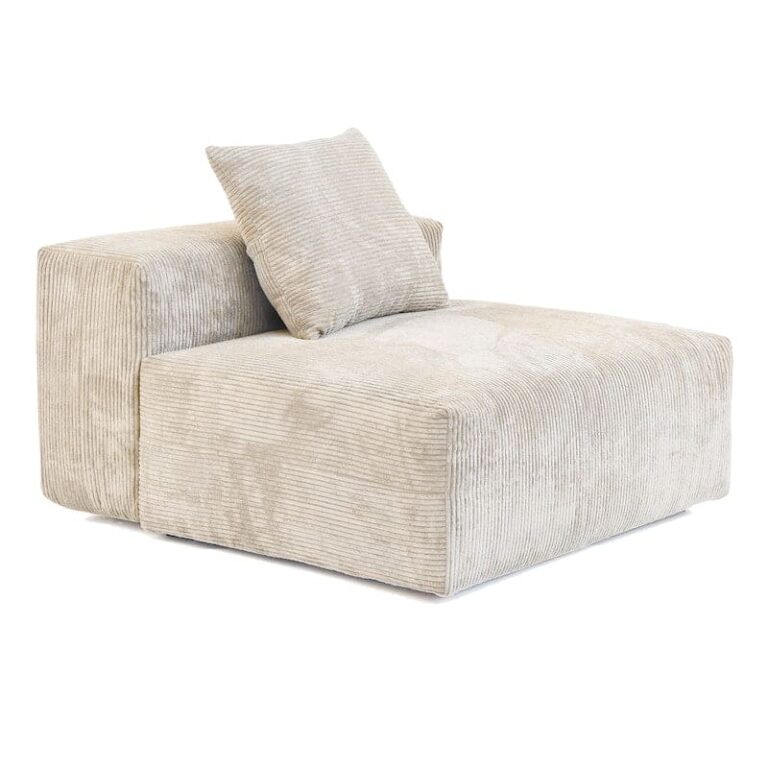
From sleek modern designs to cozy classics, our couches are crafted for comfort and style. Explore a variety of options, Read more...
Sorry, no records were found. Please adjust your search criteria and try again.
Sorry, unable to load the Maps API.
Furniture and home décor service businesses in South Africa are pivotal in transforming living spaces into personalised and stylish environments. These companies offer a wide array of services, including custom furniture design, upholstery repairs, and interior decorating, to meet the diverse needs of homeowners. By combining creativity with functionality, they ensure that every piece of furniture and décor element not only enhances the aesthetic appeal of a home but also maximises comfort and utility.
Custom furniture services are a hallmark of these businesses, allowing clients to create unique pieces tailored to their specific tastes and requirements. Skilled artisans and designers work closely with customers to bring their vision to life, using high-quality materials and craftsmanship to produce bespoke furniture that stands the test of time. Whether you desire a modern sofa, a rustic dining table, or a luxurious bed, custom furniture services cater to every style and preference.
In addition to custom creations, furniture and home décor service businesses in South Africa offer expert upholstery repairs. These services breathe new life into worn or damaged furniture, restoring its original beauty and extending its lifespan. Professional upholsterers use durable fabrics and precise techniques to repair and reupholster chairs, sofas, and other pieces, ensuring they look and feel as good as new.
Interior decorating services provided by these businesses help homeowners curate cohesive and stylish spaces. Experienced decorators offer personalised consultations, helping clients select the right furniture, colours, and accessories to reflect their individual style. From contemporary minimalist designs to classic traditional aesthetics, these professionals create inviting and harmonious interiors that make a house feel like a home.
For homeowners in South Africa looking to enhance their living spaces, furniture and home décor service businesses offer invaluable expertise and creativity. By providing high-quality custom furniture, expert upholstery repairs, and comprehensive interior decorating services, they help turn ordinary homes into extraordinary sanctuaries.
Johannesburg remains the undisputed economic powerhouse of the African continent. In 2026, the city generates over 16% of South Africa’s national GDP and serves as the primary gateway for international investment into the Sub-Saharan region. The local economy is anchored by a sophisticated tertiary sector, with finance, business services, and technology leading growth. The Johannesburg Stock Exchange (JSE), located in the Sandton business district, continues to be the largest exchange in Africa, reaching record highs in early 2026 driven by a global surge in commodity prices and resilient local banking stocks.
Mining remains a foundational pillar of the city’s identity, though its physical operations have largely moved to the periphery. In 2026, the head offices of global mining giants in the CBD and Sandton have benefited from gold prices breaching the $5,000/oz mark, injecting significant liquidity into the local corporate sector. Additionally, the digital economy has seen explosive growth; Johannesburg is now a central node for Africa’s cloud computing infrastructure, with major data center expansions in the Midrand-Sandton corridor completed in late 2025. For investors, the 2026 landscape offers high-growth opportunities in fintech, renewable energy manufacturing, and specialized logistics, supported by the city's annual municipal procurement budget of over R70 billion.
Tourism in Johannesburg in 2026 is defined by a "lived experience" model, blending somber historical reflection with vibrant contemporary urban culture. The city has successfully pivoted toward "lifestyle tourism," leveraging its status as a global creative hub.
Key attractions for 2026 include:
Constitution Hill: This living museum in Braamfontein remains a flagship destination. In 2026, it serves as a global center for human rights dialogue, featuring the iconic Constitutional Court alongside the restored Old Fort and Women’s Jail.
The Apartheid Museum: Located in Ormonde, it provides the world's most comprehensive look at the rise and fall of state-sanctioned segregation. Its 2026 exhibits include new digital archives documenting the oral histories of the liberation struggle.
Soweto and Vilakazi Street: The only street in the world to have housed two Nobel Peace Prize winners (Nelson Mandela and Desmond Tutu) continues to draw millions of visitors. In 2026, Soweto's tourism has expanded into adventure sports, with the Orlando Towers offering the world’s most famous urban bungee jump.
Maboneng and Braamfontein: These regenerated inner-city precincts are the heart of the city's fashion, art, and culinary scenes. The 2026 Johannesburg Art Fair highlights the city’s dominance in the contemporary African art market.
Walter Sisulu Botanical Gardens: Situated in the west, this remains a premier eco-tourism site, famous for its pair of breeding Verreaux’s Eagles and its commitment to indigenous flora conservation.
The history of Johannesburg is inextricably linked to the 1886 gold rush. Gold was discovered on the farm Langlaagte by Australian prospector George Harrison, triggering the largest migration of people in African history. Within a decade, a dusty tent town was transformed into a sophisticated Victorian city, built on the ridge of the Witwatersrand (the "Ridge of White Waters").
The name "Johannesburg" is widely believed to be a tribute to two officials of the South African Republic (ZAR): Johannes Rissik, the principal clerk of the Surveyor-General’s office, and Johannes Joubert, the Vice President and Christian Joubert. Throughout the 20th century, the city became the crucible of South Africa’s socio-political transformation. It was the site of the first major resistance against apartheid laws and the birthplace of the Freedom Charter in 1955. Today, Johannesburg stands as a testament to the country’s democratic transition, evolving from a site of colonial extraction into a diverse, multicultural African megacity.
As part of the 2025/2026 Integrated Development Plan (IDP), the City of Johannesburg has embarked on a series of "Mega Projects" designed to modernize infrastructure and rectify spatial inequalities.
Key infrastructure highlights for 2026 include:
Lanseria Smart City: This flagship development, an intergovernmental partnership, has reached its second phase in 2026. It is designed as a sustainable, "eco-friendly" urban node around Lanseria International Airport, focusing on green energy and high-tech manufacturing.
Rea Vaya BRT Expansion: The 2026 transport budget has prioritized the completion of the Phase 1C routes, linking the CBD with Alexandra and Sandton, significantly reducing commute times for thousands of residents.
Inner-City Regeneration: Through the Johannesburg Property Company (JPC), over 50 dilapidated buildings have been released to the private sector for conversion into low-cost student housing and "micro-apartment" residential units in 2025 and early 2026.
Digital Transformation: The municipality has achieved 90% broadband coverage across its informal settlements in 2026, facilitating a "Smart Citizen" platform where residents can report service delivery issues and access municipal services via a centralized digital portal.
Water and Energy Security: In response to national challenges, the city has commissioned three new biogas-to-energy plants at its wastewater treatment works in 2026, contributing to a more resilient and self-sufficient local power grid.