Air Knife Systems designs and manufactures high performance Blowers, Air Knives and complete blow-off systems for many applications. Air knives Read more...
Sorry, no records were found. Please adjust your search criteria and try again.
Sorry, unable to load the Maps API.
Manufacturing in South Africa stands as a crucial component of the country’s economy, showcasing a diverse and dynamic sector that contributes significantly to national employment and GDP. Rooted in a rich history of industrial development, South African manufacturing spans a wide range of industries, including automotive, chemicals, textiles, and food processing, making it one of the most multifaceted sectors in Africa.
The automotive industry is particularly prominent, with South Africa being recognized as a major player in global vehicle production. The sector is bolstered by a robust supply chain and has attracted investment from numerous international automobile giants. This industry not only serves the domestic market but also plays a significant role in the export economy, with a substantial portion of locally manufactured vehicles destined for international markets.
The chemical industry in South Africa is another vital segment, known for its advanced and diversified nature. It includes the production of fuels, plastics, and pharmaceuticals, contributing extensively to the country’s exports. Additionally, the country’s rich mineral resources have laid a solid foundation for the development of the metal and mining equipment manufacturing sectors.
Textile manufacturing, though facing challenges from global competition, remains an integral part of the South African economy. The sector is known for its high-quality wool production, and there’s a growing focus on sustainable and ethical manufacturing practices in response to global environmental concerns.
Food and beverage manufacturing is a robust sector that reflects the diverse culinary traditions and agricultural bounty of South Africa. It includes everything from large-scale processing of indigenous crops to the production of world-renowned South African wines.
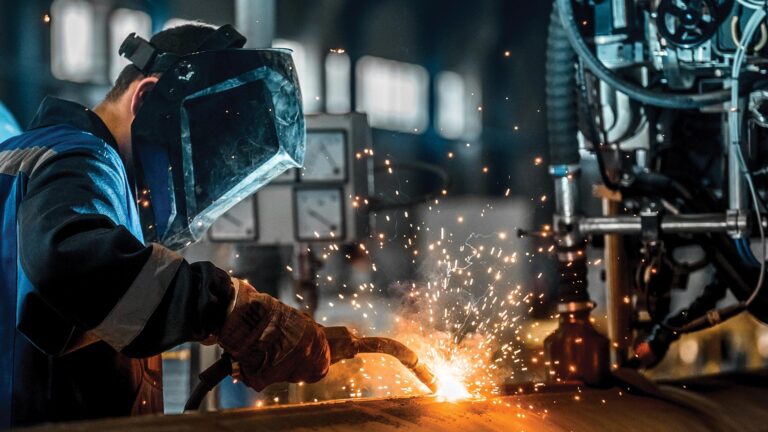
Innovation and technological advancement are key drivers of the manufacturing sector in South Africa. The industry is increasingly adopting modern manufacturing techniques, like automation and smart manufacturing, to enhance efficiency and competitiveness in the global market.
However, the sector also faces its share of challenges, including infrastructure constraints, regulatory hurdles, and the need for skilled labour. Despite these challenges, the manufacturing industry in South Africa remains a cornerstone of the economy, playing a vital role in economic development and offering significant opportunities for investment and growth.
Gqeberha is a major economic engine for South Africa, primarily known for its extensive contributions to the national manufacturing sector. Situated on the shores of Algoa Bay, the city is the historic home of the South African motor industry. This established industrial base has created a sophisticated ecosystem of component suppliers, technical service providers and logistics specialists. The presence of large scale assembly plants ensures a consistent demand for engineering, maintenance and specialised industrial services.
For businesses looking to invest in the region, the industrial development zones offer world class infrastructure and strategic incentives. These areas are designed to facilitate export oriented manufacturing and have successfully attracted significant foreign direct investment. The city provides a stable environment for both heavy and light industry, supported by a skilled workforce and a network of technical training institutions that ensure a steady pipeline of local talent.
As a primary coastal city, Gqeberha benefits from having two major seaports within its metropolitan boundaries. These ports serve as critical gateways for international trade, particularly for the export of vehicles, citrus fruit and minerals. The maritime sector is a cornerstone of the local economy, providing a wide range of opportunities in freight forwarding, customs brokerage and ship repair services.
The strategic location of the city on the south eastern coast of Africa makes it an ideal stopover for global shipping routes. This logistical advantage is enhanced by well developed rail and road links that connect the coast to the northern interior of the country. Businesses involved in distribution and wholesale trade find Gqeberha to be a highly effective node for moving goods both domestically and into the global market.
The city is a premier destination for marine tourism, offering a unique combination of urban convenience and pristine natural beauty. Gqeberha is famous for its extensive urban coastline, which features several beaches that have historically achieved Blue Flag status. These areas are central to the local leisure economy, supporting a diverse range of hospitality services, including boutique hotels, guest houses and professional event organisers.
Beyond the shoreline, the city serves as a gateway to the famous Garden Route and various nearby wildlife sanctuaries. Visitors can access world renowned national parks and private game reserves within a short drive from the city centre. This proximity to high quality safari experiences and marine life, including seasonal whale and dolphin watching, ensures a consistent flow of international and domestic tourists. For enterprises in the travel and leisure sector, the city offers a vibrant market with significant seasonal growth potential.
Gqeberha features a robust retail sector that caters to a large and diverse metropolitan population. The city has seen significant commercial property investment in recent years, resulting in the development of modern shopping precincts and office parks. These facilities provide a professional environment for financial services, legal consultancies and creative agencies. The decentralisation of business hubs into suburban areas has further stimulated local trade and made services more accessible to the resident community.
The commercial landscape is characterised by a mix of established national retailers and a growing number of independent entrepreneurs. This balance creates a resilient economy where small to medium enterprises can thrive alongside larger corporate entities. The ongoing expansion of residential estates in the western and southern suburbs continues to drive demand for local amenities, including healthcare, education and personal services.
The infrastructure in Gqeberha is designed to support high levels of economic activity. The city is served by an international airport located close to the central business district, providing frequent connections to major national centres. This accessibility is a key factor for corporate executives and business travellers who require efficient transit options. Additionally, the metropolitan municipality continues to invest in water security and transport networks to keep pace with urban growth.
The city is also an educational hub, hosting a large comprehensive university and several vocational colleges. This focus on higher learning contributes to a vibrant student population and fosters a culture of innovation and research that benefits the local business community. With its unique blend of industrial strength, natural beauty and strategic connectivity, Gqeberha remains a top tier destination for commercial investment and professional growth in the Eastern Cape.