Tents for Sale specializes in the manufacture of Marquees and Tents for Shelters and Coverings at Best Selling Price. We Read more...
Sorry, no records were found. Please adjust your search criteria and try again.
Sorry, unable to load the Maps API.
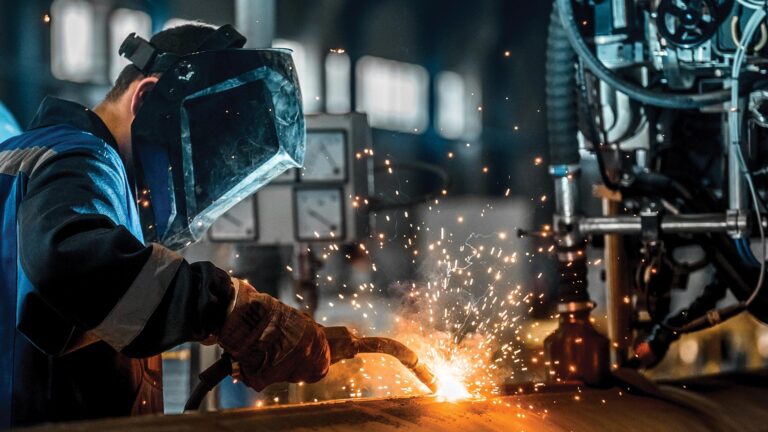
Manufacturing in South Africa stands as a crucial component of the country’s economy, showcasing a diverse and dynamic sector that contributes significantly to national employment and GDP. Rooted in a rich history of industrial development, South African manufacturing spans a wide range of industries, including automotive, chemicals, textiles, and food processing, making it one of the most multifaceted sectors in Africa.
The automotive industry is particularly prominent, with South Africa being recognized as a major player in global vehicle production. The sector is bolstered by a robust supply chain and has attracted investment from numerous international automobile giants. This industry not only serves the domestic market but also plays a significant role in the export economy, with a substantial portion of locally manufactured vehicles destined for international markets.
The chemical industry in South Africa is another vital segment, known for its advanced and diversified nature. It includes the production of fuels, plastics, and pharmaceuticals, contributing extensively to the country’s exports. Additionally, the country’s rich mineral resources have laid a solid foundation for the development of the metal and mining equipment manufacturing sectors.
Textile manufacturing, though facing challenges from global competition, remains an integral part of the South African economy. The sector is known for its high-quality wool production, and there’s a growing focus on sustainable and ethical manufacturing practices in response to global environmental concerns.
Food and beverage manufacturing is a robust sector that reflects the diverse culinary traditions and agricultural bounty of South Africa. It includes everything from large-scale processing of indigenous crops to the production of world-renowned South African wines.
Innovation and technological advancement are key drivers of the manufacturing sector in South Africa. The industry is increasingly adopting modern manufacturing techniques, like automation and smart manufacturing, to enhance efficiency and competitiveness in the global market.
However, the sector also faces its share of challenges, including infrastructure constraints, regulatory hurdles, and the need for skilled labour. Despite these challenges, the manufacturing industry in South Africa remains a cornerstone of the economy, playing a vital role in economic development and offering significant opportunities for investment and growth.
Durban is home to the busiest container terminal in sub-Saharan Africa. In early 2026, the city’s economic landscape has been transformed by the "Big Port Reset," featuring a landmark R11 billion private partnership at Pier 2. This modernization has significantly increased container handling capacity and vessel turnaround times. For the business community, Durban offers an unparalleled logistics environment, supported by a massive network of freight forwarders, specialized warehousing, and the emerging Insimbi Ridge inland port, which continues to decongest the harbor and streamline the N3 trade corridor.
The city remains a dominant force in South African manufacturing, particularly within the automotive and chemical sectors. In 2026, the Dube TradePort Special Economic Zone (near King Shaka International Airport) and the South Industrial Basin (Prospecton/Mobeni) host global giants like Toyota and Unilever. These zones provide a professional ecosystem for "just-in-time" manufacturing, electronics assembly, and pharmaceutical production. Investors benefit from world-class infrastructure, tax incentives, and a highly skilled technical labor force that underpins the region's industrial resilience.
Known as the "warmest place to be," Durban’s tourism sector has seen a record-breaking recovery in 2026. The iconic Golden Mile promenade, anchored by the uShaka Marine World and luxury beachfront hotels, recently recorded over 6.8 million visitors during the festive peak. The city is the permanent host of Africa’s Travel Indaba and major global events like the Hollywoodbets Durban July. This tourism boom sustains a vast hospitality industry, professional event management firms, and a burgeoning market for heritage-based tours exploring the city’s rich Zulu and Indian cultural history.
Under the eThekwini "Smart City" framework, Durban has achieved significant digital penetration by 2026. Widespread 5G connectivity and the expansion of the city’s fiber-optic grid have catalyzed a thriving tech sector. The Durban ICC and various innovation hubs host a growing community of fintech startups, remote-working professionals, and creative digital agencies. This digital infrastructure makes Durban an attractive destination for "semigration" and global business process outsourcing (BPO), offering a high-quality coastal lifestyle combined with Tier-1 metropolitan connectivity.
As a coastal metropolis, Durban is at the forefront of South Africa's "Operation Phakisa" for the Oceans Economy. In 2026, the city is a hub for marine research, sustainable aquaculture, and offshore bunkering services. Municipal initiatives focus on resilient urban planning and coastal protection, creating opportunities for environmental engineering firms and green-tech startups. The city’s commitment to sustainable growth ensures that its natural assets—from the Umgeni River mouth to the southern beaches—remain a viable foundation for long-term commercial and residential investment.