Woodt is a supplier of premium wood kitchen countertops in Cape Town, George, Knysna , Mossel Bay and Plettenberg Bay, Read more...

Sorry, no records were found. Please adjust your search criteria and try again.
Sorry, unable to load the Maps API.
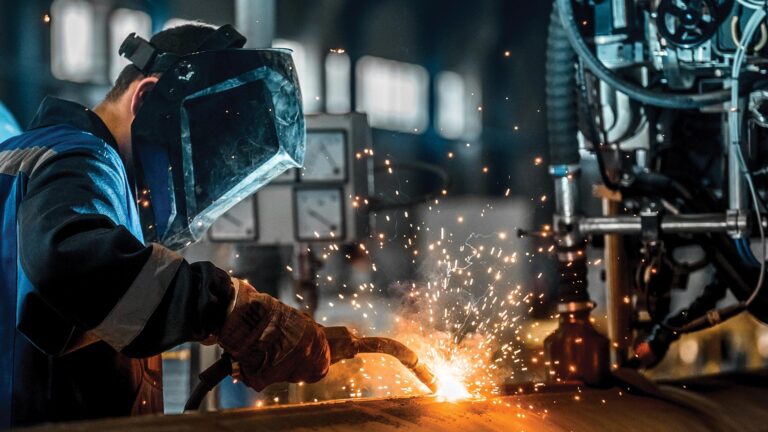
Manufacturing in South Africa stands as a crucial component of the country’s economy, showcasing a diverse and dynamic sector that contributes significantly to national employment and GDP. Rooted in a rich history of industrial development, South African manufacturing spans a wide range of industries, including automotive, chemicals, textiles, and food processing, making it one of the most multifaceted sectors in Africa.
The automotive industry is particularly prominent, with South Africa being recognized as a major player in global vehicle production. The sector is bolstered by a robust supply chain and has attracted investment from numerous international automobile giants. This industry not only serves the domestic market but also plays a significant role in the export economy, with a substantial portion of locally manufactured vehicles destined for international markets.
The chemical industry in South Africa is another vital segment, known for its advanced and diversified nature. It includes the production of fuels, plastics, and pharmaceuticals, contributing extensively to the country’s exports. Additionally, the country’s rich mineral resources have laid a solid foundation for the development of the metal and mining equipment manufacturing sectors.
Textile manufacturing, though facing challenges from global competition, remains an integral part of the South African economy. The sector is known for its high-quality wool production, and there’s a growing focus on sustainable and ethical manufacturing practices in response to global environmental concerns.
Food and beverage manufacturing is a robust sector that reflects the diverse culinary traditions and agricultural bounty of South Africa. It includes everything from large-scale processing of indigenous crops to the production of world-renowned South African wines.
Innovation and technological advancement are key drivers of the manufacturing sector in South Africa. The industry is increasingly adopting modern manufacturing techniques, like automation and smart manufacturing, to enhance efficiency and competitiveness in the global market.
However, the sector also faces its share of challenges, including infrastructure constraints, regulatory hurdles, and the need for skilled labour. Despite these challenges, the manufacturing industry in South Africa remains a cornerstone of the economy, playing a vital role in economic development and offering significant opportunities for investment and growth.
Mossel Bay is a historic and economically vital harbour town situated along the scenic Garden Route of the Western Cape. Officially proclaimed as a town in 1848, it has evolved into one of the most dynamic and well-managed urban centres in South Africa. Strategically located approximately halfway between Cape Town and Gqeberha, the town serves as a critical logistics and commercial gateway for the southern Cape. Its unique north-facing bay provides one of the few sheltered anchorages on the coastline, a feature that has defined its economic trajectory for centuries.
By 2026, Mossel Bay has solidified its reputation as a "blue-chip" residential and investment hub. The town is frequently cited for its municipal excellence, having been recognized as one of the most financially sustainable municipalities in the country. This governance stability, combined with a high quality of life, has made it the primary destination for professionals and families relocating from larger metropolitan areas, a trend often referred to as "semigration."
A defining pillar of the Mossel Bay economy is its robust petrochemical sector. The town is home to the PetroSA gas-to-liquids (GTL) refinery, one of the largest of its kind in the world. This facility, along with the associated offshore gas fields, makes the town a critical node for South Africa's energy security. The industrial precinct surrounding the refinery supports a vast network of engineering firms, laboratory services, and technical contractors, providing high-value employment and driving local innovation.
In response to national energy challenges, Mossel Bay has emerged as a leader in energy resilience. As of 2026, the municipality has successfully integrated large-scale solar PV and battery energy storage systems (BESS), notably the projects at Hartenbos and Great Brak River. These initiatives aim to make the town increasingly self-sufficient, offering a significant "pull factor" for businesses and industrial investors who require a stable and predictable power supply to maintain competitive operations.
Tourism remains a cornerstone of the Mossel Bay identity, blending world-class adventure with deep historical significance. The town is home to the Pinnacle Point Caves, a UNESCO World Heritage Site recognized as the "Cradle of Human Culture" due to archaeological evidence of modern human behaviour dating back 165,000 years. This site, along with the Bartolomeu Dias Museum Complex—which houses a life-size replica of the 1488 Portuguese caravel—positions the town as a premier destination for cultural and educational tourism.
The leisure sector is further bolstered by iconic attractions such as the world’s longest over-ocean zipline and several Blue Flag beaches, including the historic Santos Beach. The town’s hospitality infrastructure is sophisticated, featuring luxury estates, award-winning golf courses like Pinnacle Point, and a vibrant culinary scene. For entrepreneurs, the steady influx of international and domestic visitors creates a fertile environment for retail, hospitality, and specialized tour operations.
The logistical importance of Mossel Bay is underscored by its status as a commercial port. While it is the smallest commercial harbour in the Transnet National Ports Authority (TNPA) stable, it plays a vital role in the fishing industry and the service of the offshore oil and gas sector. The port is currently undergoing strategic enhancements as part of a province-wide freight coordination ecosystem to improve maritime trade efficiency.
On land, the town’s connectivity is facilitated by the N2 national road and major provincial routes. A landmark infrastructure project, the R540-million upgrade of Louis Fourie Road, is scheduled for completion in August 2026. This project has significantly resolved previous traffic bottlenecks, modernizing the link between the town centre and the booming industrial and residential suburbs of Hartenbos and Diaz Beach. This improved mobility is essential for the logistics companies and distributors that use Mossel Bay as a regional hub.
The business environment in Mossel Bay is characterized by a "heritage meets innovation" approach. The town offers a diverse range of commercial opportunities, from light industrial manufacturing and maritime services to boutique retail in its historic stone-built centre. The municipality’s pro-business stance, including the reduction of bureaucratic "red tape," has encouraged a surge in small and medium enterprise (SME) growth, particularly in the tech and green energy sectors.
With a 2026 property market that is outperforming many traditional metropolitan areas, the town offers substantial potential for real estate development and professional services. The combination of world-class infrastructure, reliable governance, and a secure environment ensures that Mossel Bay remains at the forefront of economic development in the Western Cape. Whether for industrial investment or lifestyle-based entrepreneurship, the town stands as a resilient and prosperous destination.