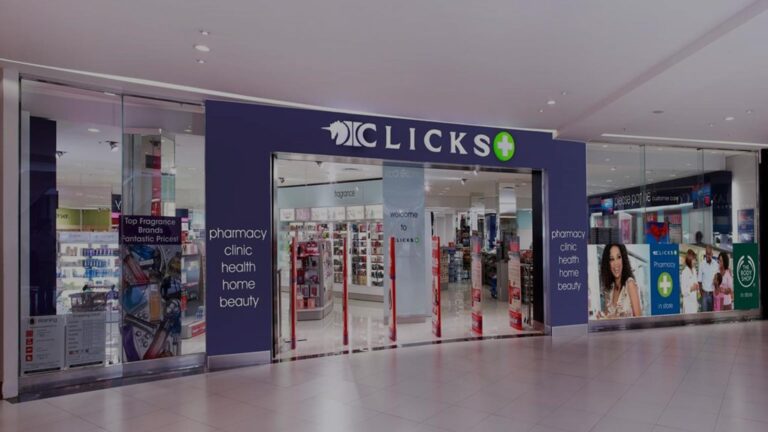
About Clicks Bara Mall Founded over 55 years ago in 1968, Clicks is the country’s leading health, beauty and wellness Read more...
Sorry, no records were found. Please adjust your search criteria and try again.
Sorry, unable to load the Maps API.
In South Africa, pharmacies serve as essential cornerstones in the healthcare landscape, providing a comprehensive range of services beyond just prescription dispensing. They are often the first point of contact for medical advice, offering over-the-counter remedies and expert consultations. From metropolitan hubs to rural settlements, these establishments are critical in making healthcare accessible and affordable. Advanced pharmacies in urban areas frequently incorporate digital solutions for seamless service, while those in smaller communities often foster a personalised experience. The pharmacists are highly-trained professionals, regulated by the South African Pharmacy Council, ensuring that citizens receive top-tier care. Overall, pharmacies in South Africa embody a blend of traditional values and modern innovation, contributing significantly to the nation’s well-being.
The term "Diepmeadow" is a portmanteau representing the administrative and geographic union of Diepkloof and Meadowlands. Established in the late 1970s, the Diepmeadow Town Council was formed to govern these two significant Soweto townships independently of the central Soweto Council. While modern municipal restructuring has integrated these areas directly into the City of Johannesburg, the name remains a vital identifier for the collective social and economic infrastructure that serves this densely populated corridor.
In 2026, this node serves as one of the most established and diverse residential sectors in Gauteng. Diepkloof, founded in 1959, and Meadowlands, established in the early 1950s, both share a history rooted in the forced removals of the apartheid era. Today, they have evolved into vibrant urban centers that balance historical significance with modern metropolitan development, housing a population that contributes significantly to the Johannesburg labor market.
The economic landscape of the area is characterized by a wide spectrum of residential property and commercial activity. While the older sections of the township feature the classic "matchbox" house designs of the mid-20th century, the Diepkloof Extensions represent a significant upward shift in class. In particular, Extension 3—locally known as "Rich Man’s Acre"—boasts large, multi-storey architectural homes that signal the robust growth of the black middle class in the region.
As of 2026, the local property market is a key driver of the regional economy. The area’s proximity to major industrial zones and the Johannesburg CBD makes it a prime location for professional commuters. This has catalyzed a boom in local retail and service-based businesses, with shopping centers such as Diepkloof Square providing high-tier retail access. Small and Medium Enterprises (SMEs) thrive in this environment, ranging from artisanal workshops to professional consulting firms operating out of modernized home offices.
Strategic connectivity is a defining feature of the locality. It is bordered by major transport arteries, including the N1, N12, and M1 highways, which facilitate the rapid movement of people and goods across the province. In 2026, the City of Johannesburg’s "Corridors of Freedom" initiative has further enhanced public transport, with the Rea Vaya Bus Rapid Transit (BRT) system providing seamless links to the inner city and Braamfontein.
Key features of the 2026 infrastructure landscape include:
Healthcare Hubs: The node is situated near the Chris Hani Baragwanath Academic Hospital, the largest hospital in Africa, ensuring access to specialized medical services.
Educational Facilities: A dense network of primary and secondary schools, alongside proximity to the University of Johannesburg’s Soweto Campus, fosters a strong focus on human capital development.
Digital Transformation: The 2026 rollout of municipal-wide fiber-to-the-home has transformed the area into a hub for digital entrepreneurship, supporting the rise of "township-tech" startups.
Energy Initiatives: Ongoing investment in smart-grid technology aims to stabilize the local electricity supply, with an increasing number of residents adopting solar energy solutions to supplement the national grid.
For business operators and property developers, the area represents a resilient and high-growth environment. Its combination of historical legacy, strategic location, and a modernizing consumer base makes it an essential component of the Gauteng economic engine.