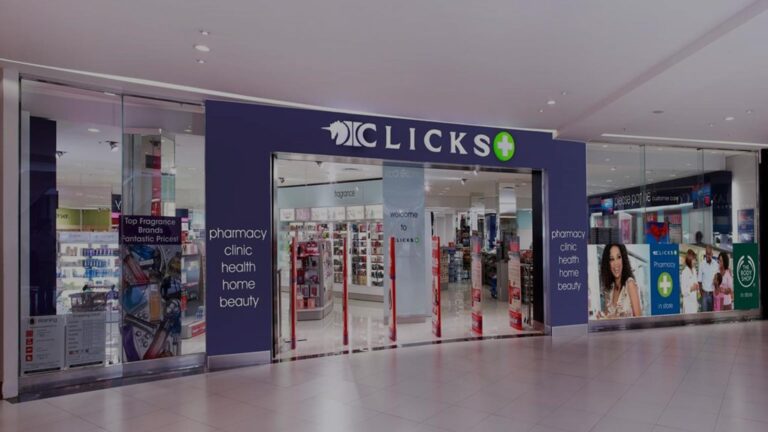
About Clicks Mtubatuba Founded over 55 years ago in 1968, Clicks is the country’s leading health, beauty and wellness retailer Read more...
Sorry, no records were found. Please adjust your search criteria and try again.
Sorry, unable to load the Maps API.
In South Africa, pharmacies serve as essential cornerstones in the healthcare landscape, providing a comprehensive range of services beyond just prescription dispensing. They are often the first point of contact for medical advice, offering over-the-counter remedies and expert consultations. From metropolitan hubs to rural settlements, these establishments are critical in making healthcare accessible and affordable. Advanced pharmacies in urban areas frequently incorporate digital solutions for seamless service, while those in smaller communities often foster a personalised experience. The pharmacists are highly-trained professionals, regulated by the South African Pharmacy Council, ensuring that citizens receive top-tier care. Overall, pharmacies in South Africa embody a blend of traditional values and modern innovation, contributing significantly to the nation’s well-being.
Mtubatuba is a prominent commercial and administrative town situated in the north-eastern region of KwaZulu-Natal, often referred to as the Elephant Coast. Established originally as a railway siding in 1903 and officially attaining town status in 1950, it has grown into the primary service centre for the uMkhanyakude District. The town's name, derived from the Zulu phrase for "the one who was pummelled out," honours a local chief and reflects the resilient character of the community that developed amidst the fertile, once-swampy plains of the Mfolozi River.
By 2026, Mtubatuba has solidified its position as the functional "capital" of the region. It serves as the vital link between the industrial south (Richards Bay) and the conservation-rich north. As a proclaimed urban centre, it provides the essential legal, municipal, and commercial infrastructure required to support a large surrounding rural population and a sophisticated tourism industry.
The economy of Mtubatuba is deeply rooted in the fertile soils of the Mfolozi Flats. The region is a powerhouse of South African sugar production, with vast plantations defining the landscape. The local sugar mill at nearby Riverview remains a central economic pillar, providing significant employment and driving a secondary economy of haulage and agricultural support services. In addition to sugar, the area is a major hub for the forestry industry, supplying timber for both national markets and export through the Port of Richards Bay.
For businesses in the primary sector, Mtubatuba offers a robust environment for agri-processing and technical services. The town is the primary procurement point for farming machinery, fertilizers, and irrigation technology. The stability of the agricultural sector provides a reliable consumer base for the town's retail sector, which has seen substantial expansion to include major national brands and specialized wholesalers.
Mtubatuba is globally recognized as the primary gateway to the iSimangaliso Wetland Park, a UNESCO World Heritage Site. Its proximity to the town of St Lucia and the Hluhluwe-iMfolozi Park—famed for its world-leading white rhino conservation efforts—positions the town at the heart of South Africa's eco-tourism sector. This strategic location ensures a constant flow of international and domestic travellers through the town's commercial centre.
The tourism value chain in Mtubatuba is extensive. It supports a diverse range of enterprises, including tour operators, specialized outdoor equipment retailers, and a wide variety of hospitality services. By 2026, the town has seen an increase in "green" business initiatives, focusing on sustainable travel and community-based tourism projects that link the formal urban economy with the rich cultural heritage of the surrounding Zulu traditional areas.
The town's location on the N2 national highway is its greatest logistical asset. This major artery connects Mtubatuba directly to the Durban metropolitan area and the deep-water port of Richards Bay to the south, and to the Swaziland (Eswatini) and Mozambique borders to the north. This makes the town an indispensable stopover for long-distance freight and a natural choice for logistics and distribution companies servicing northern KwaZulu-Natal.
Infrastructure investments leading into 2026 have focused on improving the town's internal road networks and water security systems to match its rapid urban growth. The local municipality’s focus on maintaining Mtubatuba as a "clean and safe" node has bolstered investor confidence, particularly for those looking to establish regional distribution centres that require high visibility and easy highway access.
Mtubatuba is characterized by a "frontier" energy—a town that is actively expanding and modernizing. It offers a diverse range of commercial property options, from historic main-street storefronts to modern shopping centres like the Mtuba Mall. The business environment is supported by a proactive local chamber of commerce and a municipal administration that recognizes the town's role as a regional economic engine.
Opportunities for entrepreneurs are particularly strong in the retail, construction, and professional service sectors. As the population continues to grow, there is a persistent demand for healthcare facilities, educational services, and residential development. For investors seeking a location that combines industrial-scale agriculture with world-class tourism and strategic transport links, Mtubatuba stands as a premier destination in KwaZulu-Natal.