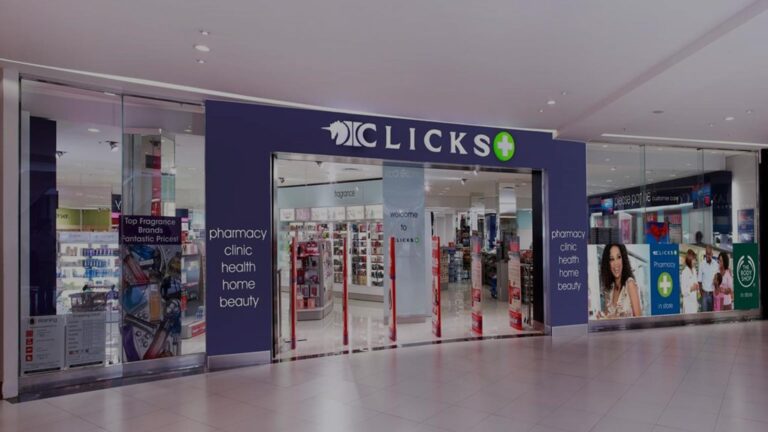
About Clicks Nquthu Founded over 55 years ago in 1968, Clicks is the country’s leading health, beauty and wellness retailer Read more...
Sorry, no records were found. Please adjust your search criteria and try again.
Sorry, unable to load the Maps API.
In South Africa, pharmacies serve as essential cornerstones in the healthcare landscape, providing a comprehensive range of services beyond just prescription dispensing. They are often the first point of contact for medical advice, offering over-the-counter remedies and expert consultations. From metropolitan hubs to rural settlements, these establishments are critical in making healthcare accessible and affordable. Advanced pharmacies in urban areas frequently incorporate digital solutions for seamless service, while those in smaller communities often foster a personalised experience. The pharmacists are highly-trained professionals, regulated by the South African Pharmacy Council, ensuring that citizens receive top-tier care. Overall, pharmacies in South Africa embody a blend of traditional values and modern innovation, contributing significantly to the nation’s well-being.
Nqutu is a bustling administrative and commercial town situated in the northern interior of KwaZulu-Natal, approximately 50 kilometres east of Dundee. Its name is derived from the Zulu word isincwaba, referring to a "flat-topped hill," or nquthu, meaning "the back of the head," describing the distinctive sandstone plateaus of the local landscape. As the seat of the Nquthu Local Municipality, the town functions as a critical service hub for a vast regional population.
By 2026, Nqutu has evolved into a vital economic node. It balances its deep historical roots with its modern role as an engine for the northern KwaZulu-Natal interior, bridging the gap between the historic Battlefields and the modern agricultural and retail economy.
Nqutu is globally recognized for its proximity to one of the most significant sites in military history: the Battle of Isandlwana (1879). Located just 20 kilometres from the town, this site attracts thousands of international and domestic historians and tourists annually.
The town’s tourism economy in 2026 includes:
Cultural Immersive Experiences: Local initiatives that provide guided tours of the battlefields combined with traditional Zulu hospitality.
Heritage Preservation: Nqutu serves as the logistical base for researchers and conservationists working on the various historical markers and monuments in the district.
Hospitality Growth: A rising number of bed-and-breakfasts and lodges that cater specifically to the "Battlefields Route" circuit.
The town centre of Nqutu is a high-traffic commercial node. Because it serves a large surrounding rural hinterland, its retail sector is exceptionally robust. The Nquthu Plaza and various standalone shopping complexes house national retail chains, major banking institutions, and specialized hardware suppliers.
By 2026, the town has become a primary procurement point for:
Government Services: Housing the magistrate’s court, municipal offices, and regional police headquarters.
Healthcare: The Charles Johnson Memorial Hospital remains a cornerstone of the regional health infrastructure, serving as a primary referral facility for the district.
Education: Nqutu is home to several well-regarded primary and secondary schools, making it a residential preference for professionals working across the Umzinyathi District.
The economy surrounding Nqutu remains fundamentally agrarian. The region is characterized by extensive livestock farming (cattle and goats) and small-scale maize production. In 2026, there is an increasing focus on the commercialization of rural agriculture, with the municipality supporting local farmers in accessing broader markets in Dundee and Vryheid.
The town serves as the primary auction and supply node for these farmers, hosting agricultural cooperatives and veterinary service providers that are essential to the regional livestock value chain.
Nqutu is strategically positioned on the R68 provincial road, which connects it directly to Dundee in the west and Melmoth/Ulundi in the east. This route is a critical artery for both tourism and the transport of agricultural goods.
Significant infrastructure developments by 2026 include:
Urban Revitalization: Upgrades to the town's drainage and road systems to accommodate increased vehicle traffic from the surrounding settlements.
Digital Integration: The expansion of high-speed mobile connectivity, which has enabled local entrepreneurs to participate more effectively in the digital economy.
Transport Interchanges: Modernized taxi and bus terminals that manage the thousands of daily commuters who travel to Nqutu for work and commerce.
The business environment in Nqutu is characterized by high volume and steady demand. For the 2026 investor, the town offers potential in:
Wholesale and Bulk Retail: Meeting the needs of small-scale tuckshops and traders in the rural interior.
Agro-Processing: Opportunities to add value to the local livestock and crop yields before they leave the district.
Professional Services: A growing demand for legal, financial, and technical consultancy to support the expanding local government and private sectors.
Nqutu remains a town of historical gravity and modern momentum, serving as a critical pillar for the social and economic stability of northern KwaZulu-Natal.