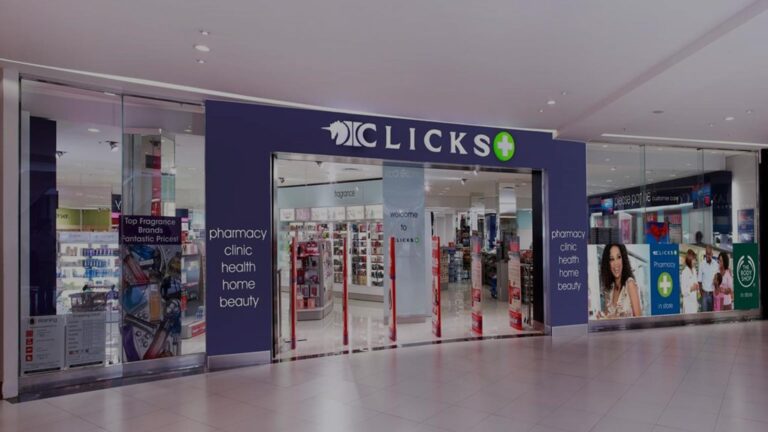
About Clicks Masingita Mall - Giyani Founded over 55 years ago in 1968, Clicks is the country’s leading health, beauty Read more...
Sorry, no records were found. Please adjust your search criteria and try again.
Sorry, unable to load the Maps API.
In South Africa, pharmacies serve as essential cornerstones in the healthcare landscape, providing a comprehensive range of services beyond just prescription dispensing. They are often the first point of contact for medical advice, offering over-the-counter remedies and expert consultations. From metropolitan hubs to rural settlements, these establishments are critical in making healthcare accessible and affordable. Advanced pharmacies in urban areas frequently incorporate digital solutions for seamless service, while those in smaller communities often foster a personalised experience. The pharmacists are highly-trained professionals, regulated by the South African Pharmacy Council, ensuring that citizens receive top-tier care. Overall, pharmacies in South Africa embody a blend of traditional values and modern innovation, contributing significantly to the nation’s well-being.
Giyani is a prominent urban centre located in the north eastern reaches of the Limpopo province. Originally established in the 1960s, the town has transitioned from a former regional capital into a sophisticated administrative and commercial gateway for the Mopani District. Its role as a seat of local and district government ensures a consistent presence of public sector professionals and a steady demand for specialized business services, office infrastructure and professional consultancy.
The town serves as a primary service node for more than ninety surrounding villages, making it a critical retail destination. This high volume of consumer traffic supports a robust marketplace, ranging from modern shopping precincts to essential service providers. For entrepreneurs, Giyani offers a strategic entry point into the rural and semi-urban markets of the Limpopo interior, benefiting from a growing middle class and sustained public sector investment.
The local economy of Giyani is deeply rooted in a diverse agricultural landscape. The region is particularly well known for cattle ranching and the large scale production of subtropical fruits such as mangoes and bananas, alongside essential crops like maize, peanuts and tomatoes. The presence of perennial rivers, such as the Klein Letaba, provides the necessary water resources to support these intensive farming operations.
For businesses involved in agro-processing, Giyani presents significant opportunities for value addition and secondary manufacturing. There is a growing focus on revitalising abandoned agricultural schemes to integrate them into the mainstream economy. Companies specialising in irrigation technology, veterinary supplies and cold storage logistics will find a receptive and expanding market within this fertile agricultural belt.
In recent years, Giyani has experienced a notable commercial boom, establishing itself as a major retail and entertainment destination for the region. The central business district, often referred to by its local nickname, has seen the development of modern malls and commercial parks that cater to a wide catchment area. This expansion has stimulated the growth of the local service industry, including financial institutions, telecommunications and private healthcare.
The influx of private property development and the upgrading of public infrastructure have further enhanced the town's commercial appeal. For retailers and franchise operations, the high population density of the Greater Giyani area provides a captive and growing consumer base. The ongoing modernisation of the town’s layout and facilities suggests a trajectory towards increased urbanisation, offering long term stability for commercial investors.
Giyani is a significant cultural heartland for the Tsonga people, and this heritage is a cornerstone of the local tourism industry. Traditional music, dance and crafts are integral to the town's identity, providing unique opportunities for cultural tourism ventures. Nearby heritage parks and traditional homesteads offer visitors an authentic look into Iron Age culture and local history, supporting a niche for specialized tour operators and cultural guides.
Nature based tourism is another key feature of the locale. The town is situated in close proximity to the Kruger National Park, making it a convenient stopover for domestic and international travellers. Local nature reserves and the unique resident wildlife found on the outskirts of the town provide recreational opportunities for bird watching and hiking. This proximity to major wildlife destinations ensures a consistent requirement for hospitality services, including guest houses, bed and breakfast establishments and transit accommodation.
The strategic location of Giyani is bolstered by significant improvements to the regional road network, including major routes connecting the town to Polokwane and other provincial centres. These upgrades have reduced travel times and improved the efficiency of logistics and freight transport. The town’s infrastructure is designed to support both industrial and residential growth, with ongoing projects focused on water security and sustainable energy.
Giyani features a well developed network of public amenities, including a regional hospital, technical colleges and sporting facilities. These assets contribute to a stable environment for business operations and a high quality of life for the resident workforce. As the town continues to strengthen its role as an administrative and economic pillar of Limpopo, it remains a premier location for businesses seeking to tap into the diverse opportunities of the Mopani District.