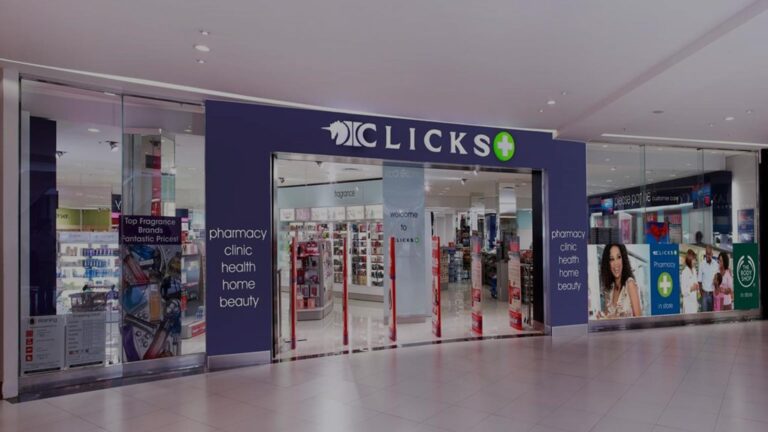
About Clicks Modi Mall Founded over 55 years ago in 1968, Clicks is the country’s leading health, beauty and wellness Read more...
Sorry, no records were found. Please adjust your search criteria and try again.
Sorry, unable to load the Maps API.
In South Africa, pharmacies serve as essential cornerstones in the healthcare landscape, providing a comprehensive range of services beyond just prescription dispensing. They are often the first point of contact for medical advice, offering over-the-counter remedies and expert consultations. From metropolitan hubs to rural settlements, these establishments are critical in making healthcare accessible and affordable. Advanced pharmacies in urban areas frequently incorporate digital solutions for seamless service, while those in smaller communities often foster a personalised experience. The pharmacists are highly-trained professionals, regulated by the South African Pharmacy Council, ensuring that citizens receive top-tier care. Overall, pharmacies in South Africa embody a blend of traditional values and modern innovation, contributing significantly to the nation’s well-being.
Modjadjiskloof is a vibrant town situated in the Mopani District of the Limpopo province. Located approximately 20 kilometres north of Tzaneen, it serves as an important administrative and commercial node within the Greater Letaba Local Municipality. The town underwent a formal name change from Duiwelskloof in 2004 to honour the Rain Queen, Modjadji, whose traditional seat of power is located nearby. This area is defined by lush vegetation and a subtropical climate that facilitates consistent economic activity throughout the year.
As a formal settlement within the provincial structure, Modjadjiskloof provides essential services to the surrounding rural and farming communities. Its positioning in the foothills of the Drakensberg escarpment offers a unique geographic advantage, providing high rainfall and fertile soils that are rare in other parts of the country. This makes the town a critical focal point for those interested in the primary industries of the northern regions of South Africa.
The fertile landscape surrounding Modjadjiskloof makes the town a significant contributor to the South African agricultural sector. The region is widely recognised for its large-scale plantations of tropical and subtropical fruits. Key commodities produced here include avocados, mangoes, bananas, and litchis. The high quality of the produce from this area ensures that much of the harvest is destined for international export markets, which brings foreign investment into the local economy.
This agricultural productivity creates a variety of business opportunities within the local supply chain. Enterprises involved in agri-processing, specialised packaging, and cold-chain logistics find the town to be an ideal base of operations. For entrepreneurs looking to invest in the primary sector, the region offers established infrastructure and a skilled local workforce familiar with intensive farming techniques. The synergy between traditional farming and modern export requirements continues to drive growth in this sector.
Forestry is another major pillar of the Modjadjiskloof economy. The high-altitude slopes and reliable rainfall patterns surrounding the town support extensive pine and eucalyptus plantations. The timber industry in this locale is a major employer and supports a range of downstream activities, including sawmilling and the manufacturing of wood products. This industrial presence makes the town an attractive location for businesses related to the construction and furniture sectors.
The local forestry sector is managed with a focus on sustainability, ensuring the long-term viability of the resource. This stability provides a secure foundation for industrial investment and long-term business planning. The presence of established sawmills and timber treatment facilities within the district reduces transport costs for manufacturers, making Modjadjiskloof a competitive hub for wood-based industries in Limpopo.
While primarily an economic and industrial hub, Modjadjiskloof possesses unique natural features that attract interest from the tourism and environmental sectors. The Modjadji Cycad Reserve is situated just a short distance from the town centre and houses the largest concentration of a single cycad species in the world. This natural asset, combined with the cultural significance of the Rain Queen dynasty, positions the town as a focal point for eco-tourism and heritage projects.
The professional management of these natural and cultural sites creates a steady flow of visitors to the area. This support benefits the local hospitality industry, including guest houses, lodges, and small-scale retail developments. For businesses focused on cultural heritage, environmental conservation, or travel services, the town offers a stable market with a unique selling point that is not found anywhere else in the world.
Modjadjiskloof is well-connected via a network of provincial roads, including the R81 and R36. These routes provide essential links to Polokwane, the provincial capital, and the northern entries of the Kruger National Park. The strategic positioning of the town allows businesses to access regional and national markets efficiently. The local infrastructure is designed to support heavy transport vehicles, which is vital for the movement of fruit and timber products.
The local business community is supported by a range of essential services, including banking, professional consulting, and retail supply stores. As the Greater Letaba Municipality continues to invest in infrastructure and public services, the town remains a practical choice for logistics and distribution companies. For those looking for a commercial base that provides both stability and room for growth, Modjadjiskloof represents a unique and resilient node within the Limpopo provincial economy.