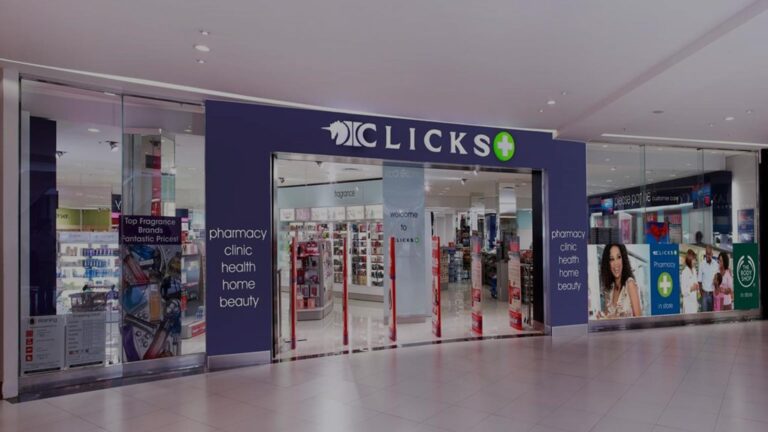
About Clicks Mompati Mall Founded over 55 years ago in 1968, Clicks is the country’s leading health, beauty and wellness Read more...
Sorry, no records were found. Please adjust your search criteria and try again.
Sorry, unable to load the Maps API.
In South Africa, pharmacies serve as essential cornerstones in the healthcare landscape, providing a comprehensive range of services beyond just prescription dispensing. They are often the first point of contact for medical advice, offering over-the-counter remedies and expert consultations. From metropolitan hubs to rural settlements, these establishments are critical in making healthcare accessible and affordable. Advanced pharmacies in urban areas frequently incorporate digital solutions for seamless service, while those in smaller communities often foster a personalised experience. The pharmacists are highly-trained professionals, regulated by the South African Pharmacy Council, ensuring that citizens receive top-tier care. Overall, pharmacies in South Africa embody a blend of traditional values and modern innovation, contributing significantly to the nation’s well-being.
Vryburg is a major agricultural and industrial center situated in the western part of the North West province, positioned strategically at the intersection of the N14 and N18 national routes. It lies roughly halfway between the provincial capitals of Mahikeng and Kimberley, acting as a vital logistical bridge between the North West and the Northern Cape. Originally established in 1882 as the capital of the short-lived Republic of Stellaland, the town's name reflects the "free citizens" (Vryburgers) who founded it. Today, it is a bustling hub characterized by a blend of historic colonial architecture and modern industrial facilities, serving as the commercial pulse for the surrounding rural districts.
In 2026, Vryburg has reinforced its reputation as a leading economic node in the Bophirima region. The town is geographically defined by its vast, open Highveld plains, which are ideal for large-scale ranching and crop production. As of April 2026, Vryburg remains a critical stop on the Cape to Cairo Railway line, facilitating the movement of livestock and grain across Southern Africa. The urban center provides essential services to a population that has grown steadily, driven by its role as a regional administrative seat and a center for agricultural innovation and trade.
The economy of Vryburg is dominated by its world-renowned beef industry, earning it the nickname the "Texas of South Africa." It hosts one of the largest cattle sales in the Southern Hemisphere, with an annual turnover often exceeding 250,000 head of cattle. In early 2026, the local agricultural sector has been further invigorated by the permanent relocation of the North West Agricultural Show (NWAS) to the Vryburg Showgrounds. This move, finalized in late 2025, designates Vryburg as the permanent provincial host for the flagship event every September, positioning the town as the primary platform for livestock exhibitions, agribusiness networking, and the showcase of new-generation farming machinery.
Beyond beef, the region is a significant producer of maize and peanuts, which feed into local processing plants and national value chains. In the first quarter of 2026, Vryburg's industrial zone has seen expanded investment in agro-processing facilities, aimed at adding value to local produce before export. The town’s business chamber has also highlighted a growing "digital farming" sector, where data-driven livestock management and climate-resilient crop strategies are being piloted by local cooperatives. This economic diversification is a core component of the district's strategy to foster youth inclusion in agriculture and modernize the region's commercial backbone.
Vryburg boasts a rich historical narrative preserved in its varied landmarks, most notably the Tiger Kloof Native Institute, located just south of the town. Established in 1904, the institute features a stunning stone church that is a designated national monument and continues to serve as an educational and cultural beacon for the community. The town’s history as the capital of the Republic of Stellaland is still visible in the well-maintained original buildings of the CBD, which contrast with the contemporary industrial structures on the outskirts. Additionally, the site of a Boer War concentration camp serves as a poignant reminder of the region's complex colonial past.
For nature and wildlife enthusiasts, the Leon Taljaard Nature Reserve on the edge of town remains a primary attraction. The reserve is home to a diverse array of species, including white rhino, buffalo, eland, and zebra, providing an accessible wilderness experience for residents and visitors. In 2026, local tourism boards have focused on the Taung Heritage Site (a short drive from Vryburg), where the fossilized skull of the "Taung Child" was discovered, integrating Vryburg into the broader "Cradle of Humankind" tourism corridor. These natural and heritage assets are vital to the town's growing status as an eco-tourism destination in the western North West.
Under the Naledi Local Municipality’s 2025/2026 MTREF Budget and the Spatial Development Framework 2026, Vryburg is undergoing significant infrastructure modernization. A major focus for early 2026 has been the Electrical Infrastructure Maintenance Plan, which aims to stabilize the power supply for the town’s expanding industrial sector and the newly upgraded showgrounds. This is part of a broader municipal effort to address historical service delivery backlogs and support the increased demand for energy from the growing commercial and residential zones.
Water and sanitation upgrades also feature prominently in the 2026 development agenda. Following the recent adoption of the Vryburg Precinct Plan, the municipality has initiated projects to improve water reticulation systems in the township of Huhudi and the central business district. Road maintenance on the N14 and N18 corridors remains a priority to ensure the safety of heavy-duty freight vehicles that define the town's logistics industry. Furthermore, as part of the 2026 "Smart Municipality" initiative, Vryburg has seen the rollout of digital public service hubs, allowing residents and business owners to access administrative services more efficiently through modernized municipal portals.