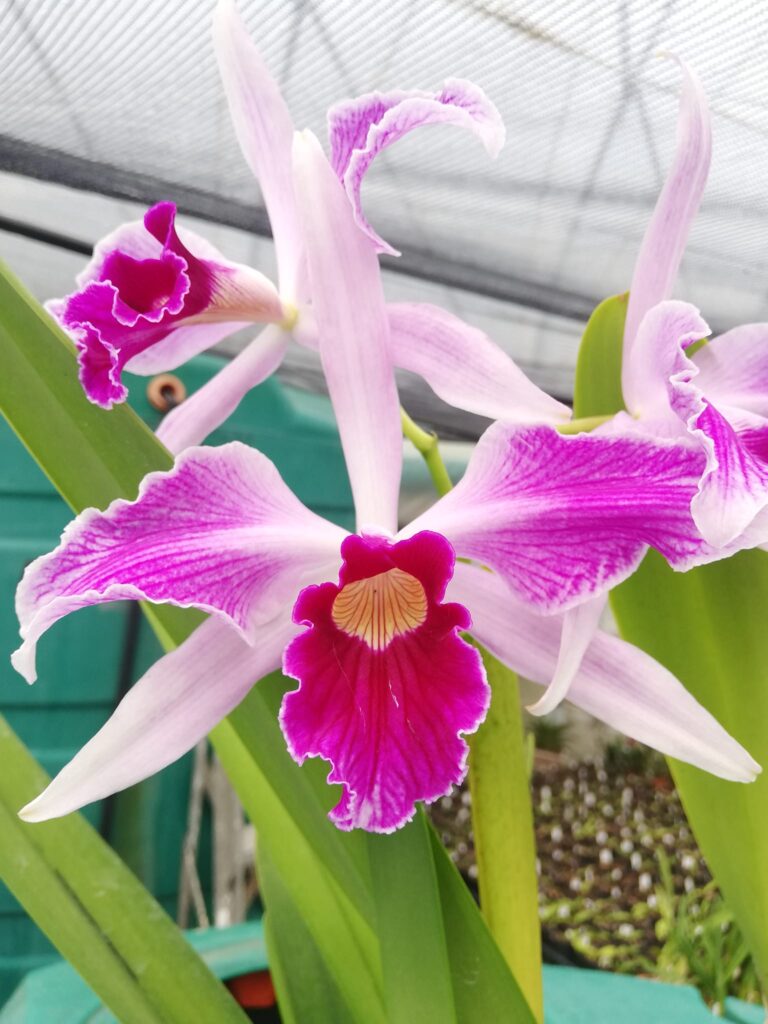
Eikenhoff Orchid Nursery overlooks the sleepy little town called Stanford, close to Hermanus in the Western Cape. The nursery specialises Read more...
Sorry, no records were found. Please adjust your search criteria and try again.
Sorry, unable to load the Maps API.
Plant and tree nurseries in South Africa are flourishing hubs of horticultural activity, offering a wide variety of indigenous and exotic plants to suit every gardener’s needs. These nurseries are essential for those looking to enhance their gardens with native flora, ornamental plants, or robust trees. They provide an extensive range of seedlings, saplings, shrubs, and mature trees, catering to both amateur gardeners and professional landscapers.
In addition to their diverse plant selection, many South African nurseries offer expert advice on plant care, soil preparation, and garden design. These establishments often feature on-site amenities such as potting services, plant rentals for events, and landscape consultation services. They are also committed to sustainable practices, promoting the use of organic fertilizers and eco-friendly pest control methods.
For those interested in rare or unusual species, some nurseries specialize in cultivating unique plants that are not commonly found in regular garden centers. Seasonal sales and promotions are also common, making it easier for gardening enthusiasts to find affordable plants and accessories.
Whether you’re looking to create a vibrant flower garden, a lush tropical oasis, or a functional vegetable patch, South African plant and tree nurseries provide the resources and expertise needed to bring your gardening vision to life. Visit a local nursery today to explore their extensive selection and receive personalized advice for all your horticultural projects.
Stanford is a picturesque riverside village located in the Overberg, approximately 16 kilometres east of Hermanus and 22 kilometres from Gansbaai. Founded in 1857 on the farm De Kleine Rivier Valey, it was named after its founder, Sir Robert Stanford. The town is famous for being the third best-preserved village in the Western Cape, featuring a historic core that has remained largely unchanged for over a century.
Unlike the bustling coastal hubs of the Whale Coast, Stanford offers a tranquil, rural atmosphere centered around the Klein River. It is a sanctuary for artists, foodies, and nature lovers, characterized by its Cape Victorian and Edwardian architecture and its commitment to conservation through the Stanford Conservation Trust.
Stanford’s economy is a unique blend of boutique tourism, high-value agriculture, and a growing reputation as the "culinary soul" of the Overberg.
Key economic pillars include:
The "Stanford Food Heroes": This celebrated group of local artisans and producers defines the town’s commercial identity. In 2026, the movement has expanded to include new organic cheese-making and craft fermentation initiatives, drawing high-spending "agri-tourists" to the local morning markets.
Eco-Tourism: The Klein River is the lifeblood of the local tourism sector. In early 2026, river cruise operators and kayaking businesses reported a surge in international bookings, particularly for specialized bird-watching tours that focus on the area’s 200+ species.
Viticulture and Craft Brewing: The Stanford wine route, which includes estates like Springfontein and Walker Bay, continues to be a major revenue driver. The town is also home to the Birkenhead Brewery, the first estate craft brewery in the Southern Hemisphere.
Boutique Hospitality: 2026 has seen a trend toward "slow-stay" tourism, with a rise in the refurbishment of historic cottages into luxury, self-catering units for digital nomads and weekenders from Cape Town.
Stanford is a "Living Heritage" site, where the simple grid layout of 1857 is still strictly maintained to protect its historic character.
Historic Town Square: The central public square remains the focal point of community life, surrounded by beautifully preserved buildings that reflect the eclectic architectural styles of the late 19th century.
The Dutch Reformed Church: A prominent landmark with its classic whitewashed walls and historic significance, serving as a pillar of the town's social history.
Klein River Estuary: A vital ecological landmark that connects the town to the Atlantic Ocean at Hermanus. It is a world-renowned birding site and a hub for low-impact water sports.
Panthera Africa Big Cat Sanctuary: Located just outside the town, this ethical sanctuary provides a home for rescued big cats and serves as a major educational and conservation landmark in the region.
2026 Global Fieldwork: In July 2026, the Stanford Archaeology Center (USA) is scheduled to conduct a specialized field experience in the region, bringing international academic attention to the heritage and public curation of the Overberg’s rural history.
Under the Overstrand Local Municipality’s 2025/2026 Service Delivery and Budget Implementation Plan (SDBIP), Stanford is benefiting from targeted "aesthetic and utility" upgrades.
Middleton Street Rehabilitation: As of June 2026, the municipality has scheduled the completion of the Middleton Street upgrade. This project focuses on improving road surfaces and pedestrian accessibility in the town's commercial heart while maintaining its heritage aesthetic.
Stanford Entrance Walls: A 2026 ward-specific project involves the construction of new decorative entrance walls to enhance the town's "sense of arrival" and branding as a premier heritage destination.
Utility Modernization: In April 2026, the municipality initiated minor asset upgrades for financial and administrative services within the Stanford ward to improve local billing efficiency and resident engagement.
Conservation and "Smart" Waste: 2026 has seen the rollout of new, vandal-resistant waste management systems and environmental signage along the riverfront to mitigate the impact of increased tourist footfall on the delicate wetland ecosystem.