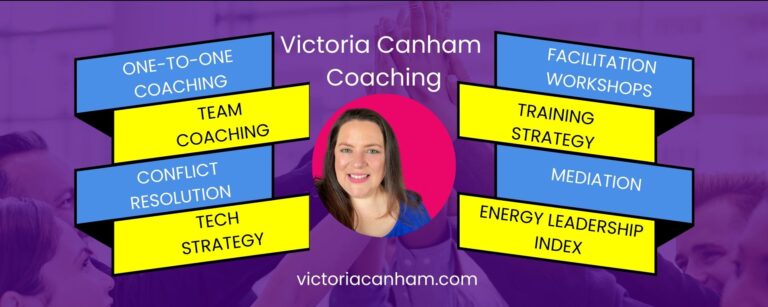
Victoria Canham is a certified Performance Coach helping high-achieving professionals and business owners break through plateaus and perform at their Read more...
Sorry, no records were found. Please adjust your search criteria and try again.
Sorry, unable to load the Maps API.
South Africa boasts a dynamic landscape of professional coaching and training services, catering to individuals and organisations seeking to enhance their skills and performance. These services encompass a broad spectrum, including leadership development, executive coaching, entrepreneurial training, and skills development programmes. By focusing on both personal and professional growth, these initiatives aim to foster a culture of continuous improvement and adaptability in a competitive business environment.
One notable approach is the emphasis on leadership development, integrating personal values with professional conduct to cultivate leaders who are not only successful but also significant in their impact. This holistic methodology ensures that leadership extends beyond organisational boundaries, contributing positively to broader societal issues.
Additionally, there is a strong focus on entrepreneurial training, providing foundational business skills to emerging entrepreneurs. Programmes designed for this purpose cover practical subjects such as money management, stock control, customer handling, and marketing, equipping small business owners with the tools necessary for sustainable success.
Furthermore, the integration of digital skills training into professional development is gaining momentum. Initiatives aimed at equipping individuals with competencies in areas like artificial intelligence and cybersecurity are essential in today’s technology-driven landscape. These programmes are designed to enhance employability and ensure that the workforce remains competitive on a global scale.
By leveraging these diverse coaching and training services, South African professionals and businesses are well-positioned to thrive in an ever-evolving economic environment, fostering innovation, resilience, and sustainable growth.
Cape Town is the legislative capital of South Africa and the provincial capital of the Western Cape. Situated at the southwestern tip of the continent, it serves as a primary gateway for international trade and travel. As of 2026, the city remains the second-largest economic centre in South Africa, anchored by a world-class port and a population exceeding 4.7 million residents. Its unique geography, dominated by the Table Mountain National Park and a vast Atlantic coastline, provides a high-quality lifestyle that continues to attract global talent and significant foreign direct investment.
In early 2026, Cape Town’s economy is outperforming national trends, with a projected growth rate exceeding the national average of 1.6%. The city maintains the lowest unemployment rate among South Africa’s major metropolitan areas, currently hovering around 18%. This economic resilience is bolstered by the Government of National Unity (GNU) reforms, which have stabilized the Rand and lowered inflation, creating a more predictable environment for long-term capital projects. The city’s "Ease of Doing Business" initiatives and aggressive red-tape reduction programs have made it a preferred destination for entrepreneurs and multinational corporations alike.
Cape Town is widely recognized as the tech capital of Africa. In 2026, the sector is characterized by a robust fintech ecosystem, specializing in payments, B2B infrastructure, and AI-driven solutions. The city also hosts a thriving Business Process Outsourcing (BPO) industry, providing high-complexity technical and financial support to global markets. Complementing this is a world-class film and media industry. With state-of-the-art sound stages and a massive pool of specialized talent in VFX and animation, Cape Town is a primary location for international blockbuster productions and repeatable high-end television pipelines.
Tourism remains a cornerstone of the Cape Town economy, with 2026 marking a "new era" of growth. The city successfully hosted the Africa Tourism Investment Conference and WTM Africa 2026, reinforcing its status as a premier global destination. Key growth areas include:
Eco-Tourism: A surge in luxury eco-lodges and sustainable travel experiences.
Maritime Economy: Continued investment in the Port of Cape Town to improve efficiency for cruise liners and commercial freight.
Events and Conferences: The Cape Town International Convention Centre (CTICC) continues to attract high-value business tourism through major global summits.
The city is currently undergoing a massive infrastructure overhaul to support its growing population and industrial needs. Major sewer and wastewater treatment upgrades, particularly in the Strand and Helderberg corridors, are nearing completion in 2026 to ensure long-term environmental resilience. On the energy front, Cape Town is a leader in the green energy transition, with over R1 billion in recent investments directed toward green hydrogen, solar energy projects, and electric vehicle (EV) infrastructure. The city's move toward independent power procurement is actively reducing the impact of national grid constraints on local businesses.
The investment climate in Cape Town is defined by stability and innovation. The city is a hub for South Africa’s leading legal and financial consultancies, providing a sophisticated support network for new ventures. With the Johannesburg Stock Exchange (JSE) partnership programs for SMEs, local businesses have better access to capital and listing opportunities than ever before. For investors, Cape Town offers a secure, high-growth environment that balances a mature corporate sector with a vibrant startup culture, all situated within one of the most geographically desirable locations in the world.