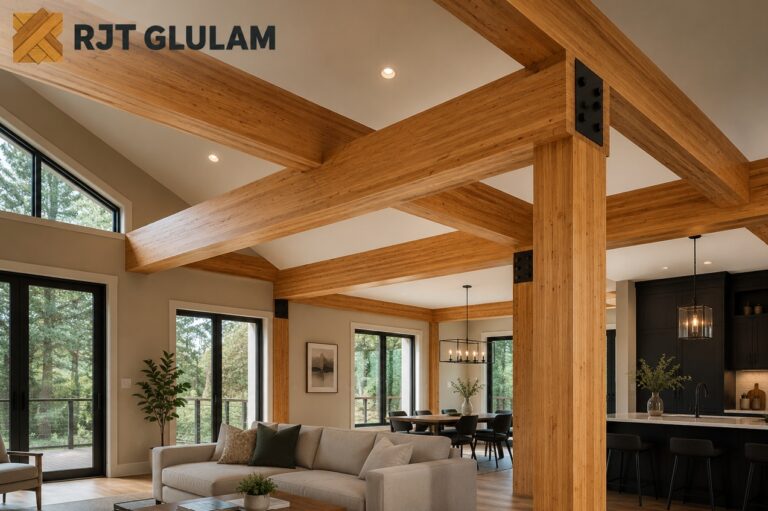
RJT Glulam is a family-owned South African manufacturer with over 23 years of experience in the timber industry. We specialise Read more...
Sorry, no records were found. Please adjust your search criteria and try again.
Sorry, unable to load the Maps API.
South Africa boasts a thriving timber and wood supply industry, catering to a wide range of needs, from construction and carpentry to furniture manufacturing and DIY projects. Timber suppliers across the country provide high-quality hardwoods, softwoods, and engineered wood products, such as plywood, laminated beams, and composite materials. These businesses serve both commercial and residential markets, offering sustainable solutions through responsibly sourced timber and treated wood that meets international standards.
Whether you are looking for structural timber for roofing and decking, wood planks for bespoke furniture, or bulk supplies for large-scale construction, timber merchants and wood wholesalers in South Africa deliver precision-cut products tailored to your specifications. Many also offer timber treatment services, ensuring durability and resistance against pests, rot, and weathering—ideal for outdoor applications.
From premium hardwoods like oak and mahogany to versatile pine and imported alternatives, wood suppliers remain vital for industries such as construction, cabinetry, and interior design. Timber yards and wood distributors often provide added value through custom milling, cutting, and delivery services, meeting the growing demand for quality materials across the country.
By prioritising sustainability, many businesses are committed to eco-friendly practices, sourcing from managed forests and promoting recycled wood alternatives. With the rise in home renovations and commercial developments, South Africa’s timber industry plays a key role in delivering reliable, cost-effective, and durable wood solutions for diverse applications.
Mandini is strategically positioned midway between the major port cities of Durban and Richards Bay. Unlike many coastal towns that rely solely on tourism, Mandini is a high-output industrial node. It is home to the Isithebe Industrial Estate, one of the largest and most successful industrial parks in South Africa, managed by the Ithala Development Finance Corporation. This estate hosts a massive array of manufacturing concerns, including textiles, clothing, paper products, and heavy machinery, providing a robust foundation for industrial investment and large-scale employment.
The economy of Mandini is deeply integrated with the agricultural "Sugar Belt" of KwaZulu-Natal. The surrounding fertile lands are dominated by vast sugarcane plantations, which feed into the local and regional milling infrastructure. This sector drives a significant portion of the town’s commercial activity, creating a consistent demand for agribusiness services, specialized logistics, and farm equipment maintenance. In 2026, the focus has shifted toward sustainable "green" sugar processing and the exploration of biomass energy as part of the region's agricultural diversification.
Mandini’s geographical location is its greatest commercial asset. Situated directly on the N2 national highway and the primary north-south rail link, it acts as a critical transit point for goods moving between Africa's busiest ports. This makes the town an ideal base for logistics companies, warehousing operations, and freight forwarding enterprises. The proximity to the King Shaka International Airport and the Dube TradePort further enhances Mandini’s role as a regional distribution hub, offering businesses world-class connectivity to both national and international markets.
While industrial at its core, Mandini boasts significant tourism potential, particularly at Tugela Mouth. The area is a renowned destination for shore and deep-sea angling, as well as birdwatching. It also carries immense historical weight as the site of the Battle of Ndondakusuka and the Ultimatum Tree. These cultural and natural assets support a niche hospitality sector, including fishing lodges, guest houses, and eco-tourism ventures. In 2026, there is a growing emphasis on developing the Macambini coastal area for upmarket leisure and residential projects.
Under the current 2026 municipal growth strategy, Mandini is undergoing a period of significant urban renewal. Key infrastructure projects include the upgrading of the P459 main road to improve access to Isithebe and the rehabilitation of bulk water and electricity services to support new industrial tenants. The town’s administrative center features essential services, including a hospital, schools, and professional financial suites, providing a stable environment for the permanent workforce and the growing community of technical professionals.
With its established industrial base and strategic location on the Durban-Richards Bay growth axis, Mandini offers a resilient and professional landscape for investment. The ongoing planning for a Renewable Energy Hub within the district highlights the town’s transition toward modern, sustainable manufacturing. For businesses seeking a location that combines high-capacity industrial infrastructure with strategic logistics and a stable agricultural backbone, Mandini remains one of the most productive and strategically significant towns in KwaZulu-Natal.