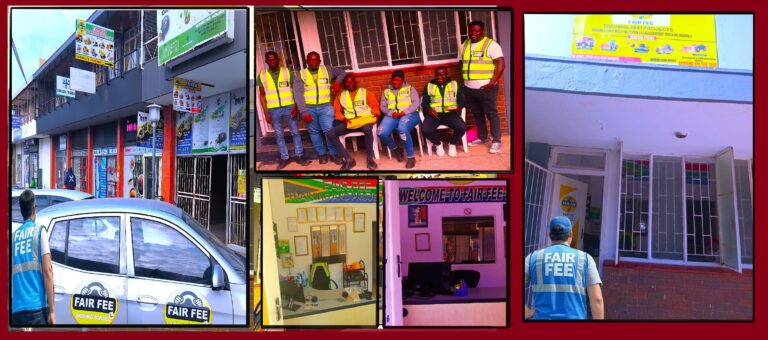
Fair Fee Training and Projects (PTY) LTD – Empowering Skills, Building Futures Fair Fee Training and Projects is a proudly Read more...
Sorry, no records were found. Please adjust your search criteria and try again.
Sorry, unable to load the Maps API.
Education, Training & Courses in South Africa form a dynamic and essential sector, offering a diverse range of opportunities for personal and professional development. From formal education in schools and universities to practical skills programmes, short courses, and corporate training, the landscape is designed to equip learners with relevant knowledge for both employment and entrepreneurship.
Institutions across the country provide accredited academic qualifications, vocational training, online learning options, and industry-specific certifications. Popular focus areas include business management, IT and coding, health and safety, digital marketing, financial literacy, construction, and early childhood development. With the rise of blended and remote learning, many providers now deliver flexible, self-paced courses that accommodate working professionals and adult learners.
Government-supported programmes, SETA learnerships, and B-BBEE training incentives are also helping close the skills gap, especially among youth and previously disadvantaged communities. Private training centres, e-learning platforms, and corporate academies are expanding their offerings to meet the growing demand for upskilling, reskilling, and career advancement.
This sector not only supports job creation but also strengthens South Africa’s economic resilience by fostering a more skilled and adaptable workforce.
Rustenburg (meaning "Town of Rest") is one of South Africa’s fastest-growing cities, situated at the foot of the majestic Magaliesberg Mountain Range. Established in 1851, it is one of the oldest Boer-settled towns in the former Transvaal. Today, it is a bustling metropolitan node located approximately 110 kilometres northwest of both Johannesburg and Pretoria.
The city is globally significant as the heart of the "Bushveld Igneous Complex," containing the world's richest deposits of platinum group metals. It balances its identity as a heavy industrial mining powerhouse with its role as a gateway to the premier tourism destinations of the North West bushveld.
Rustenburg is the economic engine of the North West province, with its growth directly tied to the global demand for precious metals.
Key economic pillars include:
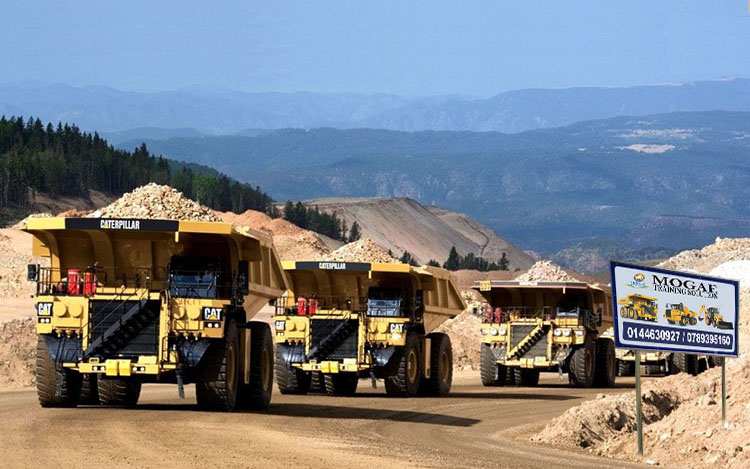
The Platinum Industry: Often called the "Platinum Capital of the World," the city is surrounded by some of the largest mines on earth, operated by giants such as Sibanye-Stillwater, Anglo American Platinum, and Impala Platinum.
Chrome Mining: The region is also a leading producer of ferrochrome, supported by extensive smelting operations that provide significant industrial employment.
The Royal Bafokeng Nation: Much of the mining land is owned by the Royal Bafokeng Nation, a traditionally governed community that has successfully leveraged mineral royalties to fund world-class infrastructure and social development.
Leisure and Safari Tourism: Rustenburg is the primary service hub for the Sun City Resort and the Pilanesberg National Park. This proximity sustains a massive hospitality and retail sector within the city.
Rustenburg offers a rich tapestry of South African history, from ancient Tswana heritage to colonial-era architecture.
Kgaswane Mountain Reserve: A 4,257-hectare reserve situated high on the Magaliesberg ridges overlooking the city. It is famous for its breeding herd of sable antelope and diverse hiking trails.
Royal Bafokeng Stadium: A world-class sporting venue that hosted matches during the 2010 FIFA World Cup and remains the pride of the Bafokeng people.
Paul Kruger Statue and Historic Churches: The city center features the iconic statue of the former Transvaal president and several historic buildings, including the Anglican Church (1871) and the Dutch Reformed Church (1898).
Boekenhoutfontein: The historic farm of Paul Kruger, located just outside the city, which now serves as a museum preserving the lifestyle of the 19th-century Transvaal.
As a vital industrial node, Rustenburg features specialized logistics and transport infrastructure.
The N4 Platinum Highway: The city’s primary artery, providing a high-speed link to Pretoria and Johannesburg in the east and the Botswana border to the west.
Yarona (Rustenburg Rapid Transport): A modern Integrated Rapid Public Transport Network (IRPTN) designed to facilitate the movement of thousands of commuters between the residential suburbs, mining shafts, and the CBD.
Energy and Water: The city’s infrastructure is heavily geared toward mining support, including large-scale substations and water distribution systems connected to the Vaalkop and Bospoort Dams.
Education and Health: Rustenburg hosts several major provincial hospitals and serves as a regional center for technical and vocational training, supporting the skilled labor needs of the mining sector.