Elevate Your Brand with IDSMediaWeb: Your Premier Website Design & Digital Marketing Partner in South Africa Are you a South Read more...

Sorry, no records were found. Please adjust your search criteria and try again.
Sorry, unable to load the Maps API.
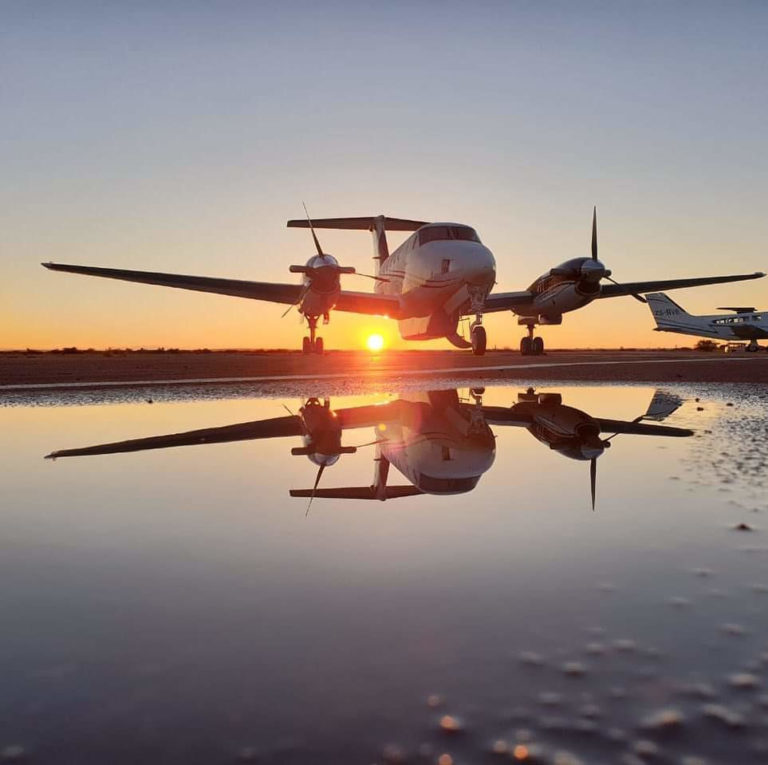
Lanseria is defined by the presence of Lanseria International Airport (LIA), South Africa’s first and only privately owned international airport. Since its inception in 1974, it has evolved from a small airfield into a world-class aviation hub that serves as a critical alternative to O.R. Tambo International. The airport is a major economic catalyst, supporting a vast ecosystem of corporate charter services, scheduled commercial flights, and specialized aircraft maintenance facilities. Its efficiency and proximity to the northern business districts of Sandton and Randburg make it the preferred entry point for high-net-worth individuals and corporate executives, driving a high-end service economy in the immediate vicinity.
As of 2026, the Lanseria Smart City project has moved from master-planning into significant phases of implementation. This flagship development, first announced in 2020, aims to create a sustainable, "cradle-to-grave" urban environment for over half a million residents. The project is designed around the principles of New Urbanism, featuring high-density mixed-use zones, green building technologies, and integrated public transport. This initiative has shifted the regional identity of Lanseria from a rural-fringe airport node to one of the most important future-growth corridors in the Gauteng City-Region, attracting billions in private and public sector investment.
The commercial landscape of Lanseria is dominated by sophisticated logistics and light industrial parks. The Lanseria Corporate Estate and Malibongwe Industrial Park offer A-grade warehousing and distribution facilities that cater to national retailers and international courier services. The region’s connectivity is its primary asset, positioned along the N14 highway and the R512 (Pelindaba Road), which provide seamless links to the West Rand, Pretoria, and the North West Province. For businesses in the supply chain sector, Lanseria offers a strategic alternative to the congested corridors of Midrand, providing modern infrastructure in a secure, professionally managed environment.
The real estate market in Lanseria is bifurcated between high-tech industrial stands and expansive lifestyle estates. The demand for commercial property has surged due to the "Airport City" concept, leading to the development of modern office parks that overlook the airport runways. Simultaneously, the surrounding hills host prestigious residential and equestrian estates like Blair Atholl and Monaghan Farm. These developments cater to a demographic that seeks a sophisticated, rural lifestyle within a short commute of the province's primary economic centres. This blend of heavy-duty commerce and high-end residential living creates a unique and resilient property market.
Beyond its industrial and aviation output, Lanseria serves as a primary gateway to the Cradle of Humankind World Heritage Site. The hospitality sector here is robust, featuring a high concentration of boutique hotels, conference centres, and luxury wedding venues. These establishments benefit from the steady flow of international tourists and corporate groups utilizing the airport. The regional "country economy" thrives on outdoor recreation, including hot air ballooning and mountain biking trails, positioning Lanseria as a vital bridge between the urban intensity of Johannesburg and the natural heritage of the Magaliesberg region.
The future of Lanseria is tied to the expansion of mass transit, with proposed Gautrain extensions planned to link the airport directly to the existing rapid rail network. Furthermore, the airport has committed to a "zero-waste to landfill" policy and has integrated extensive renewable energy systems, setting a benchmark for green aviation in Africa. As the Lanseria Smart City continues to mature, the region is expected to become a self-sustaining economic node, reducing the need for long-distance commuting and fostering a localized, high-tech manufacturing and service economy that will define the north-western frontier of Gauteng for decades.