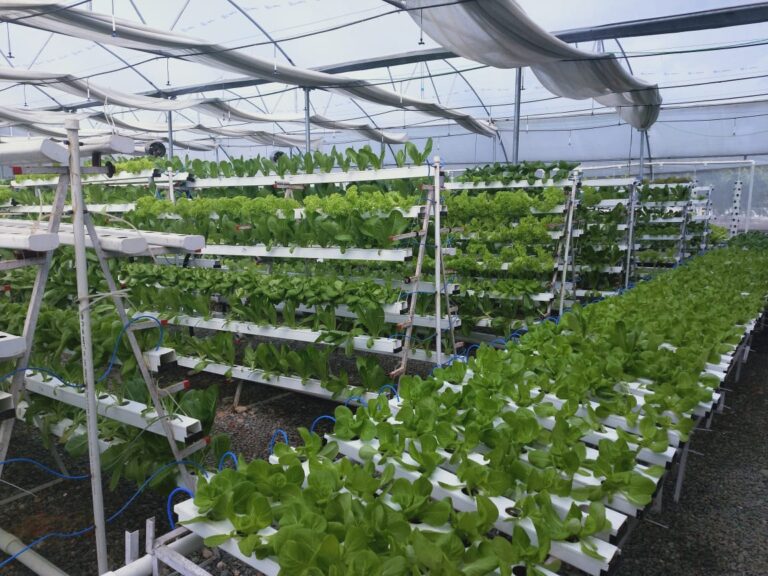
61 Urban is not only a fully functioning aeroponics farm, but it is also a full turnkey farm fit-out service Read more...
Sorry, no records were found. Please adjust your search criteria and try again.
Sorry, unable to load the Maps API.
Walkerville is a serene rural and agricultural settlement situated in the southern reaches of Gauteng, approximately 30 kilometres south of the Johannesburg CBD. Positioned along the R82 (the Old Vereeniging Road), the area serves as a critical "green belt" that bridges the urban sprawl of Johannesburg with the industrial and agricultural heartlands of the Sedibeng District. Geographically, it is defined by its undulating hills, expansive smallholdings, and a climate that supports both intensive horticulture and high-end equestrian estates. The town is characterized by its "country-style" living, where unpaved lanes and large properties offer a stark, peaceful contrast to the high-density suburbs of the nearby metropolis.
In 2026, Walkerville has solidified its reputation as a premier destination for those seeking a semi-rural lifestyle without sacrificing proximity to Gauteng’s economic centers. The settlement is a close-knit community of artisans, farmers, and professionals who prioritize sustainable land use and ecological preservation. As of April 2026, Walkerville is increasingly recognized as a key node on the R557 Walkerville Route, which connects the Vaal River region to Johannesburg. The town’s atmosphere is defined by its equestrian culture, with numerous stables and riding schools integrated into the landscape, maintaining a heritage of outdoor recreation that has persisted since the town’s early 20th-century origins.
The economy of Walkerville is fundamentally anchored in the primary agricultural sector and the boutique services that cater to its rural residential base. As part of the Midvaal Local Municipality—consistently ranked in 2026 as the best-performing local government in Gauteng—the town benefits from a stable administrative environment that encourages private investment. The local economy is driven by small-scale commercial farming, including the production of organic vegetables, honey, and nursery plants. In early April 2026, the local business sentiment was bolstered by the tabling of the Midvaal 2026/2027 Draft Budget, which continues to prioritize fiscal discipline and the maintenance of agricultural infrastructure to support the region’s GVA.
The 2026 economic landscape also features a robust informal and artisanal trade sector. The proximity to the De Deur Auctioneers and Flea Market provides a vital commercial outlet for local producers, while the town’s retail needs are served by nodes like the Midway Shopping Centre. In March 2026, the municipality confirmed an increase in the Mayoral Student Financial Aid Programme, reflecting a commitment to human capital development that directly impacts the local youth in the Walkerville and Savanna City corridors. This mix of traditional farming and modern social investment provides Walkerville with a balanced economic foundation that supports its role as a self-sustaining rural hub.
The primary cultural and social landmark of the settlement is the Walkerville Showgrounds, a historic venue that has hosted the Walkerville Agricultural Show for decades. In April 2026, the showgrounds remain the heartbeat of the community, serving as the venue for critical public engagements, including the Midvaal Budget Review meeting held on April 8, 2026. This site acts as more than just an event space; it is a monument to the town’s agrarian heritage, bringing together farmers, craftsmen, and residents to celebrate the local "country lifestyle." The showgrounds are central to the preservation of Walkerville’s identity as a place where traditional skills and community bonds remain paramount.
Natural and heritage attractions extend beyond the town center to the nearby Suikerbosrand Nature Reserve, which offers over 11,000 hectares of protected flora and fauna. For residents of Walkerville, the reserve is a vital recreational asset, providing hiking and cycling trails that traverse the rugged Highveld terrain. Additionally, the R557 Scenic Route serves as a cultural landmark in itself, guiding visitors through a landscape of seasonal cosmos fields and historical farmsteads. In 2026, community-led initiatives have focused on heritage mapping along this route, ensuring that the stories of the early pioneer families and the indigenous history of the Sedibeng region are preserved for future generations.
Under the Midvaal Local Municipality’s 2025/2026 Integrated Development Plan (IDP), Walkerville has seen significant investment in its transit and utility networks. A major milestone in March 2026 was the official opening of R22 million in gravel-to-tar road projects, which included the conversion of seven critical access roads within the municipality to permanent tarred surfaces. These upgrades are essential for Walkerville’s agricultural logistics, reducing maintenance costs for farmers and improving safety for the growing number of residential commuters. Furthermore, the Savanna Pump Station upgrade, completed in February 2026, has improved wastewater reliability for the broader ward, protecting the local water table and environment.
Infrastructure for 2026 also includes a focus on digital connectivity and energy resilience. As part of the provincial "Gauteng Provincial Network" rollout, efforts are underway to improve fiber and high-speed satellite internet access in rural wards, supporting the "Zoom-town" trend of remote-working professionals in Walkerville. In April 2026, the municipality also initiated a review of the R59 Corridor Strategic Development Plan, which indirectly impacts Walkerville by enhancing the regional logistics and industrial framework. These developments, coupled with the municipality's high service-delivery standards, ensure that Walkerville’s infrastructure keeps pace with its growth while maintaining its essential rural character.