The Thanda Safari story is a love affair with Africa that this Big Five private game reserve, rated as one Read more...
Sorry, no records were found. Please adjust your search criteria and try again.
Sorry, unable to load the Maps API.
Hluhluwe serves as the primary commercial and logistical hub for the northern Zululand region. Its economy is uniquely balanced between world-class wildlife tourism and a thriving agricultural sector. The town is famously known as the home of the South African Queen Pineapple. In 2026, the local pineapple industry remains a dominant force, with the Hluhluwe Queen Pineapple Marketing Association reporting steady production levels despite variable rainfall earlier in the season.
The town’s commercial centre provides essential services to a vast rural catchment area, including specialized agricultural equipment suppliers, retail centres, and logistics firms. In early 2026, there has been a notable surge in "agri-tourism" investments, where traditional pineapple and cattle farms are diversifying into boutique guest lodges and educational farm tours. For investors, Hluhluwe represents a strategic node for agro-processing and sustainable energy projects, particularly solar-powered cold-storage facilities for the fruit export market.
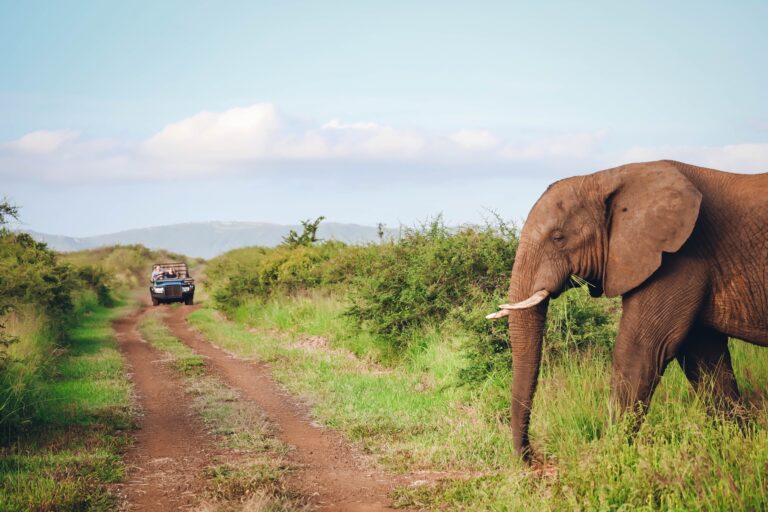
Tourism is the lifeblood of Hluhluwe, driven by its proximity to the Hluhluwe-iMfolozi Park, the oldest proclaimed nature reserve in Africa (established in 1895). The town acts as the "Gateway to the Big Five," supporting a massive network of private game lodges, tour operators, and craft markets.
Significant developments in 2026 include:
Rhino Conservation Milestones: In January 2026, the region celebrated a historic milestone with zero rhinos poached in managed reserves, a result of advanced technological surveillance and community-led anti-poaching units.
Traditional Healers' Pharmacy: A landmark initiative by Ezemvelo KZN Wildlife saw the opening of a dedicated "Traditional Healers' Pharmacy" within the reserve in March 2026. This project provides sustainable access to medicinal plants, integrating indigenous knowledge into the formal conservation economy.
Infrastructure Renewal: Throughout 2026, Ezemvelo has been upgrading tourism assets, including the introduction of a new state-of-the-art bush lodge and mobile hospitality units to enhance the visitor experience.
The name "Hluhluwe" is derived from the Zulu word for the Dalbergia armata (thorny rope), a climber found in the local riverine forests. The area holds deep historical value as the former exclusive hunting grounds of King Shaka Zulu, who is credited with implementing some of the earliest conservation laws in the region.
The town’s modern identity was forged in the 1950s and 60s during Operation Rhino, a world-renowned conservation success story that saved the Southern White Rhino from the brink of extinction. This heritage of resilience and environmental stewardship continues to define the town’s character in 2026, making it a focal point for international biodiversity research and eco-tourism.
Hluhluwe occupies a strategic position on the N2 national highway, which connects Durban to Swaziland and Mozambique. This makes it a vital transit point for both international tourists and heavy freight.
Key infrastructure highlights for 2026 include:
Road & Access Projects: The Big Five Hlabisa Local Municipality has prioritised several 2026 infrastructure projects, including the construction of the Khonto Causeway and various gravel road upgrades (such as the Gwegwede and Ngenwayini routes) to improve connectivity between the town and surrounding rural wards.
Digital Expansion: The 2026 rollout of expanded 5G and satellite-backed internet services has enabled local lodges to offer "remote work" packages, catering to the growing global community of digital nomads who seek a bush-office environment.
Water Security: Regional initiatives in early 2026 have focused on upgrading bulk water supply systems to support both the growing urban population and the high-demand pineapple irrigation requirements during the drier winter months.