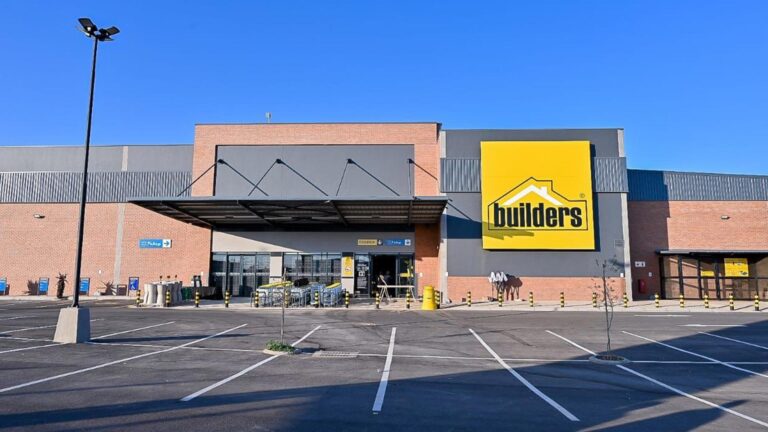
About Builders Warehouse Lusaka East Builders Warehouse is one of South Africa’s leading home improvement and building materials retailers. Operating Read more...
Sorry, no records were found. Please adjust your search criteria and try again.
Sorry, unable to load the Maps API.
Lusaka, situated on the periphery of Port Shepstone, is an essential residential and emerging industrial node within the Ugu District. Historically an informal settlement, it has become a focal point for the Ray Nkonyeni Local Municipality's urban renewal strategies. The local economy is driven by a mix of micro-enterprises and its role as a labour catchment area for the greater Port Shepstone commercial hub. As of 2026, the area has seen a shift toward more formalised commerce, with the "Lusaka Industrial" designation appearing in municipal procurement and service delivery registers. This integration into the formal economy is bolstered by its proximity to the Marburg industrial area, allowing local businesses to serve as secondary suppliers to larger manufacturing and engineering firms.
A defining feature of Lusaka in 2026 is the ongoing implementation of the KZN Informal Settlement Upgrading Strategy. This multi-billion rand provincial initiative has prioritised Lusaka for "in-situ" upgrading, which involves the installation of permanent road networks, formal electrical grids, and bulk water reticulation. These infrastructure projects have provided significant opportunities for local civil engineering contractors and general building suppliers. The transition from informal dwellings to formalised "Breaking New Ground" (BNG) housing has not only improved living standards but has also increased the valuation of commercial stands along the main access routes, attracting investment in hardware retail and community service centres.
The commercial viability of the Lusaka node is anchored by its strategic position near the N2 national highway and the R102 coastal road. These arterial routes provide seamless connectivity to Durban to the north and the Eastern Cape border to the south. Within the locality, the transport sector is dominated by a robust minibus taxi network that facilitates the daily movement of thousands of commuters to the Port Shepstone CBD and the Shelly Beach retail precinct. For logistics companies and small-scale distributors, Lusaka offers a cost-effective "last-mile" base for servicing the densely populated residential areas of the Hibiscus Coast.
Lusaka functions as a vibrant service node for the surrounding communities, hosting several primary educational facilities and community-led initiatives. The Amaoti and Inanda nodes (sharing the Lusaka name in the eThekwini metro) similarly focus on early childhood development and micro-retail. In the Ray Nkonyeni node, the entrepreneurial landscape is characterised by a high density of "spaza" shops, automotive repair workshops, and catering businesses. As part of the 2026 Local Economic Development (LED) plan, the municipality has introduced "business hives" in the area, providing formalised trading spaces for vendors and artisans, thereby reducing the barriers to entry for youth-led startups in the KZN South Coast region.
Looking toward the late 2020s, Lusaka is positioned to become a fully integrated suburb of the expanding Port Shepstone metropolitan area. The focus is shifting toward sustainable urbanization, with future projects earmarked for green energy street lighting and community-based waste management systems. As the Ray Nkonyeni Municipality continues to formalise land tenure in the region, there is significant potential for the development of modern retail plazas and private healthcare clinics to serve the growing middle-income population. For the business directory, Lusaka represents a resilient example of a "transitional" node that is successfully bridging the gap between informal settlement and formal commercial precinct.