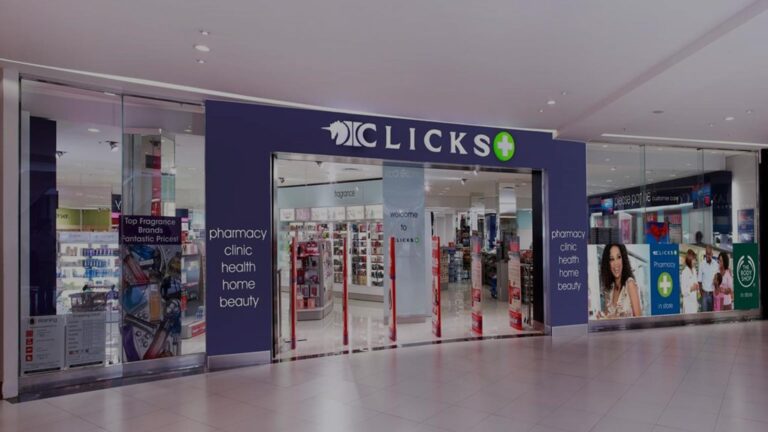
About Clicks Malelane Ingwe Centre Founded over 55 years ago in 1968, Clicks is the country’s leading health, beauty and Read more...
Sorry, no records were found. Please adjust your search criteria and try again.
Sorry, unable to load the Maps API.
Malalane occupies a critical position in the fertile Lowveld, situated along the N4 national highway and the Crocodile River. Established in 1949, the town has grown from a humble railway stop into one of the most important logistics and agricultural nodes in Mpumalanga. Its location on the Maputo Development Corridor makes it a vital link between South Africa’s industrial interior and the Port of Maputo in Mozambique. For businesses, Malalane offers a high-traffic environment with direct access to regional and international trade routes.
The economy of Malalane is fundamentally anchored by the sugar industry. The Malalane Sugar Mill, operated by RCL Foods, is one of the largest and most advanced mills in the country, processing millions of tons of sugarcane annually from surrounding farms. This industrial presence supports a vast network of secondary enterprises, including heavy haulage, specialized irrigation services, and agricultural chemical supply. Despite global market shifts in 2026, the local sugar sector remains a resilient primary employer, driving constant demand for industrial maintenance and technical engineering expertise.
Malalane is a powerhouse of high-value agriculture, specializing in citrus, litchis, and mangoes. In 2026, the region has contributed significantly to South Africa’s record-breaking citrus export season, with local packhouses utilizing advanced digitized grading and cooling technologies. This sector offers extensive opportunities for investment in cold-chain logistics, packaging manufacturing, and export-oriented agribusiness. The town serves as the central collection point for the Onderberg region’s produce, ensuring a steady flow of high-LSM commercial activity throughout the harvest seasons.
Tourism is a vital pillar of the Malalane economy, primarily driven by its proximity to the Malelane Gate of the Kruger National Park. The town hosts an array of luxury riverfront lodges, boutique guest houses, and safari operators that cater to both international and domestic travellers. This "safari economy" supports a vibrant hospitality sector and artisanal retail market. For entrepreneurs, the town’s role as a tourism gateway provides a stable platform for leisure-based services, including professional guiding, vehicle rentals, and high-end hospitality consulting.
A major catalyst for the region’s future is the Nkomazi Special Economic Zone (SEZ). While centered near Komatipoort, the SEZ significantly impacts Malalane’s commercial landscape by attracting multi-billion rand investments in agro-processing, logistics, and renewable energy. In 2026, new strategic partnerships between the SEZ and academic institutions have focused on developing a skilled local workforce. This industrial expansion is stimulating residential property demand in Malalane and encouraging the growth of professional services such as legal consulting, financial planning, and urban management.
Malalane features a well-developed retail sector, anchored by centres such as the Inkwazi Shopping Centre, which houses national retail brands, major banks, and essential services. The town serves a vast rural hinterland, making it the primary shopping destination for the Nkomazi district. Ongoing 2026 infrastructure projects, including upgrades to the N4 interchanges and local bridge rehabilitations over the Crocodile River, continue to enhance the town’s accessibility. These improvements ensure that Malalane remains an efficient and attractive base for regional distribution and retail investment.