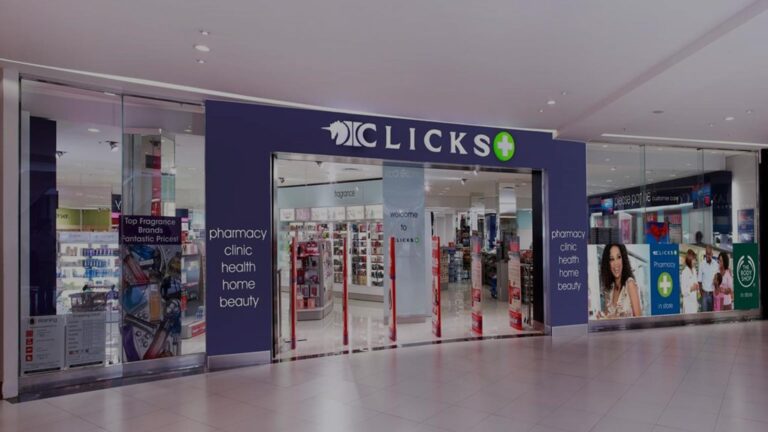
About Clicks Schweizer-Reneke Founded over 55 years ago in 1968, Clicks is the country’s leading health, beauty and wellness retailer Read more...
Sorry, no records were found. Please adjust your search criteria and try again.
Sorry, unable to load the Maps API.
Schweizer-Reneke is a historic town situated on the banks of the Harts River, serving as a vital regional crossroads with six major roads radiating from its center. Founded on October 1, 1888, the town was named after Captain C.A. Schweizer and Field Cornet C.N. Reyneke, both of whom fell in action during a battle with the Korana people on the nearby Mamusa Hill in 1885.
While its origins are rooted in frontier history, modern Schweizer-Reneke has evolved into a resilient service center for one of the most productive agricultural regions in the North West. It is characterized by its wide streets, historic sandstone architecture, and its position as a gateway between the central highveld and the arid western interior.
Schweizer-Reneke’s economy is anchored by primary production, but 2026 has seen a shift toward intensive infrastructure and service sector investment.
Key economic pillars include:
The "Sunflower Capital" of the West: The district is famous for its vast fields of sunflowers and maize. As of 2026, the town remains a critical logistics node for the NWK (North West Koöperasie), facilitating the storage and transport of sorghum, peanuts, and grain to national markets.
Alluvial Diamond Mining: Historically known for its diamond rushes, the town still supports localized alluvial mining operations along the Harts River valley, contributing to the region's mineral wealth.
2026 Infrastructure Drive: Under the Mamusa Municipality’s current "Decisive Action" plan, the town is undergoing significant modernization. Key 2026 projects include a major refurbishment of the Schweizer-Reneke Hospital and the construction of a 21-classroom expansion at Schweizer-Reneke Primary School, boosting the local construction and labor sectors.
Livestock and Game Farming: The surrounding savanna supports high-quality beef cattle and an expanding game-farming industry, which increasingly integrates with the town's hospitality sector.
Schweizer-Reneke is home to unique archaeological sites and 19th-century history.
Wentzel Dam: Located on the edge of the town, this dam is the primary recreational site for the district. It features a holiday resort and serves as a vital water source for the community.
Mamusa Hill (Massouwkop): A site of great historical and spiritual significance, this hill was the stronghold of the Korana people and offers panoramic views of the surrounding plains.
San Rock Paintings: Located approximately 2 kilometres north of the town, these ancient artworks are estimated to be over 20,000 years old, marking the region as an important archaeological heritage site.
Leon Taljaard Nature Reserve: Situated adjacent to the town, this 2,000-hectare reserve hosts white rhino, buffalo, and various antelope species, making it a key destination for local eco-tourism.
Historic Standard Bank Building: A fine example of early 1900s architecture, this building in Schweizer Street remains remarkably preserved and highlights the town's colonial-era prosperity.
The town’s layout and 2026 upgrades reflect its importance as a regional transit and service hub.
Regional Road Junction: Schweizer-Reneke is a critical intersection for regional routes, including the R504, R506, and R34, connecting the North West to the Northern Cape and Free State.
2026 Water Reticulation Upgrades: A specialized project was launched in early 2026 to modernize the town’s hot and cold water reticulation systems, specifically targeting the health precinct and the Ipelegeng residential area.
Logistics and Rail: The town features a strategic railway station used primarily for the bulk transport of agricultural products and mining equipment.
Education and Civic Services: As the municipal seat, it hosts the district’s primary administrative offices, a regional hospital, and several established schools that are currently benefiting from provincial "Smart-Gov" infrastructure grants.