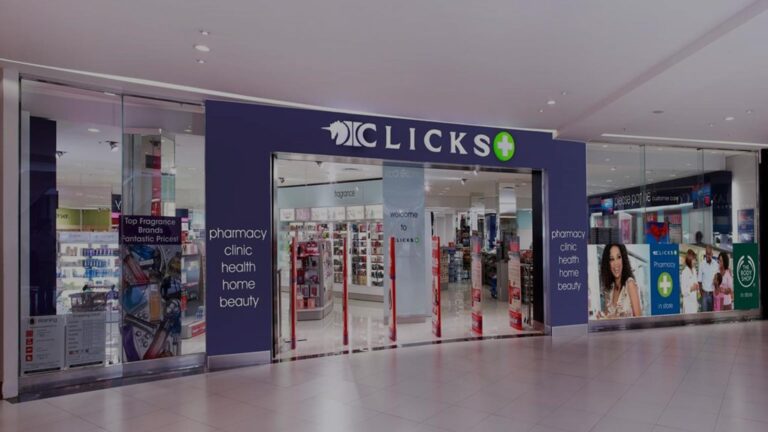
About Clicks Kakamas Founded over 55 years ago in 1968, Clicks is the country’s leading health, beauty and wellness retailer Read more...
Sorry, no records were found. Please adjust your search criteria and try again.
Sorry, unable to load the Maps API.
Kakamas serves as a vital agricultural hub, transforming an arid desert landscape into a lush, productive corridor through a sophisticated network of irrigation canals fed by the Orange River. In 2026, the local economy is anchored by the large-scale production and export of high-value crops, specifically table grapes, raisins, citrus, and dates.
The town is a premier supplier to European and Asian markets during the northern hemisphere's winter. The local economy is further supported by the Orange River Wine Cellars, one of the largest wine cooperatives in the world, and Die Mas Van Kakamas, a private cellar specializing in award-winning brandies and wines. For investors, the 2026 landscape is increasingly focused on renewable energy. As part of the Northern Cape’s "Green Hydrogen" and solar transition highlighted in the 2026 State of the Province Address, the Kakamas region has seen renewed interest in solar PV expansion and small-scale hydroelectricity, leveraging the area's exceptionally high solar radiation and river flow.
Tourism in Kakamas is defined by its dramatic natural beauty and its role as the western gateway to the Augrabies Falls National Park, located just 40 kilometres from the town centre.
Key attractions for 2026 include:
The Operating Waterwheels: Originally designed to lift water from hand-dug canals to higher agricultural plots, several of these historic wheels are still functional today along the town’s main roads.
The Transformer Building: An architectural anomaly built in 1914 to resemble an Egyptian temple. This site originally housed South Africa’s first hydro-electric power station and now serves as a local museum and information centre.
The Pienk Padstal: A world-famous, brightly painted landmark offering local artisanal crafts, dried fruits, and "Kalahari-style" hospitality.
Riemvasmaak Hot Springs: Located on the northern periphery, this community-led tourism node offers 4x4 trails, hiking, and natural hot springs set against a stark, volcanic mountain backdrop.
The Quiver Tree Food and Wine Route: This route integrates local culinary experiences with the region’s unique flora, catering to the growing "slow-travel" market of 2026.
The modern history of Kakamas began in 1898 as a social experiment by the Dutch Reformed Church. Following the devastating rinderpest epidemic and severe droughts of the late 19th century, the church established a colony on the farms Soetap and Kakamas to provide a livelihood for destitute farmers.
The town’s survival was secured by the sheer labor of these early settlers, who ignored the warnings of professional engineers to hand-dig the irrigation canals using only basic tools and manual sleds. The name "Kakamas" has debated origins; the most common interpretation is the Korana word for "poor pasture," an ironic label given the town's current fertility. Other interpretations include the Khoi word gagamas (brown), referring to the red clay of the riverbanks, or a reference to a "raging cow" that once charged travelers at the local drift.
As a core node of the Kai !Garib Municipality, Kakamas is a focal point for infrastructure modernization aimed at supporting its expanding agricultural exports and growing population.
Key infrastructure highlights for 2026 include:
Water Purification Upgrades: Following the 2025/2026 municipal budget, major refurbishments have been completed at the Lutzburg and Cillie Water Purification Plants to ensure stable potable water supply for the growing residential wards.
Electrification of Households: The 2026 development plan has prioritized the electrification of the Langverwag and Bittersoet precincts, integrating new housing into the municipal grid.
Road Rehabilitation: Maintenance of the N14 national highway, which bisects the town, remains a priority to facilitate the heavy freight movement of grape and citrus harvests toward the port of Cape Town.
Digital Access: In early 2026, the expansion of high-speed fibre has reached the Kakamas CBD, providing a digital boost to local agri-businesses and improving administrative efficiency for the municipal offices located in the town.