At Star Electronics Sales we sell Home Appliances, Ovens/Cooking, Smart Fridges, Optics, Riflescopes, Thermal Riflescopes/Night Vision, Drones, Cameras, Digital Cameras, Read more...

Sorry, no records were found. Please adjust your search criteria and try again.
Sorry, unable to load the Maps API.
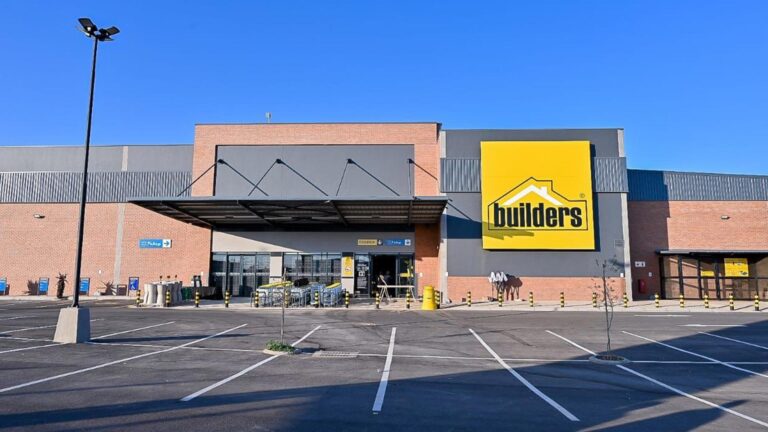
Retail companies in South Africa operate in a diverse and dynamic market, serving a population of over 59 million people. The country has a vibrant retail industry that includes both local and international brands, ranging from small independent stores to large shopping centres. These companies offer a wide range of products, from food and household goods to fashion and electronics.
South African retail companies face challenges such as competition, economic instability, and changing consumer behaviour. However, they have also adapted to these challenges and continue to innovate and expand their offerings. The industry has embraced technology and e-commerce, with many companies developing online stores and offering home delivery services.
Retail companies in South Africa also play an important role in the country’s economy, creating jobs and contributing to GDP. They are often involved in corporate social responsibility initiatives, such as supporting local communities and promoting sustainable practices.
Overall, retail companies in South Africa are a crucial part of the country’s business landscape, providing employment opportunities and serving the needs of consumers across the country.
East London is a cornerstone of South Africa’s automotive industry, anchored by the massive Mercedes-Benz South Africa (MBSA) manufacturing plant. In early 2026, the city’s economy is driven by high-tech vehicle assembly and a sprawling network of component suppliers. This industrial ecosystem supports a vast market for precision engineering, specialized technical training, and industrial automation services. For the business community, East London offers a mature manufacturing environment with world-class quality standards and a deeply integrated global supply chain.
The ELIDZ remains one of the most successful Special Economic Zones in Africa. In 2026, it has expanded beyond automotive into renewable energy, agro-processing, and ICT. The zone provides investors with "plug-and-play" infrastructure, tax incentives, and direct access to the river port. This precinct has become a hub for green manufacturing, including the assembly of solar components and electric vehicle batteries. For entrepreneurs, the ELIDZ represents a professional landing strip for export-oriented businesses and high-volume data centers.
The Port of East London is a unique maritime asset, specialized in the handling of motor vehicles and agricultural bulk. In early 2026, the port has undergone significant deepening and refurbishment to accommodate larger vessels, enhancing its role in the "just-in-time" logistics chain. This maritime activity sustains a robust sector of freight forwarders, marine engineering firms, and stevedoring services. The city’s strategic position on the N2 highway further cements its status as the logistical heartbeat connecting the Garden Route to the Wild Coast.
East London serves as the primary gateway to the rugged and pristine Wild Coast. In 2026, the city’s tourism sector—featuring the iconic Nahoon Reef and the East London Aquarium—has successfully positioned itself as a premier destination for "eco-adventure" and surfing. This drives a consistent hospitality market for beachfront hotels, conference venues, and professional tour operators. For the leisure industry, East London offers a unique blend of urban amenities and raw coastal beauty, attracting a growing number of international "adventure seekers" and domestic holidaymakers.
The city is a significant educational hub, hosting campuses for University of Fort Hare, Walter Sisulu University, and several private FET colleges. In early 2026, this academic presence has fueled a "knowledge economy," with a focus on maritime research and agricultural science. The large student population ensures a high-demand market for purpose-built student accommodation, digital connectivity services, and retail franchises. This demographic energy contributes to a vibrant, youthful urban culture that supports the city's burgeoning creative and tech startup scenes.