JLF Automotive is a professional mobile mechanic service based in Pretoria, Gauteng, South Africa. Located at 47 Robyn Street, Klerksoord, Read more...
At ReviveX, we help businesses maximize the value of their existing databases. Many organizations focus heavily on new customer acquisition, Read more...
Keystone Marriage Counselling Pretoria is a registered counselling practice in Waterkloof Ridge, Pretoria, helping couples and individuals rebuild trust, improve Read more...
Red Table Properties is a Pretoria-based boutique real estate agency specialising in residential property sales across Pretoria East’s most sought-after Read more...
Amplifin provides comprehensive financial technology and payment processing services tailored for the South African market. As an industry leader, they Read more...
Yapi is a trusted shuttle and transport service providing airport transfers, corporate transport, private hire, and soon parcel delivery services. Read more...
Imperium Metering is a trusted leader in Prepaid Meters South Africa, delivering reliable and easy-to-use prepaid sub-metering solutions for residential, Read more...
We are a professional training institute based in Pretoria, offering accredited security, mining machinery, lifting equipment, and occupational safety courses. Read more...
At Tichoak Group, we are dedicated to delivering top-notch handyman services, office and home repairs, plumbing, painting, ceiling repairs, and Read more...
TeaBree Rentals is a professional motorbike rental and fleet service provider based in Pretoria, Gauteng. We specialize in supplying reliable, Read more...
Job Postings is a South African job opportunities website dedicated to sharing verified job vacancies, learnerships, internships, graduate programmes, and Read more...
Pretoria East Electrical Services delivers fast, reliable and professional electrical solutions for homes and businesses across Pretoria East and nearby Read more...
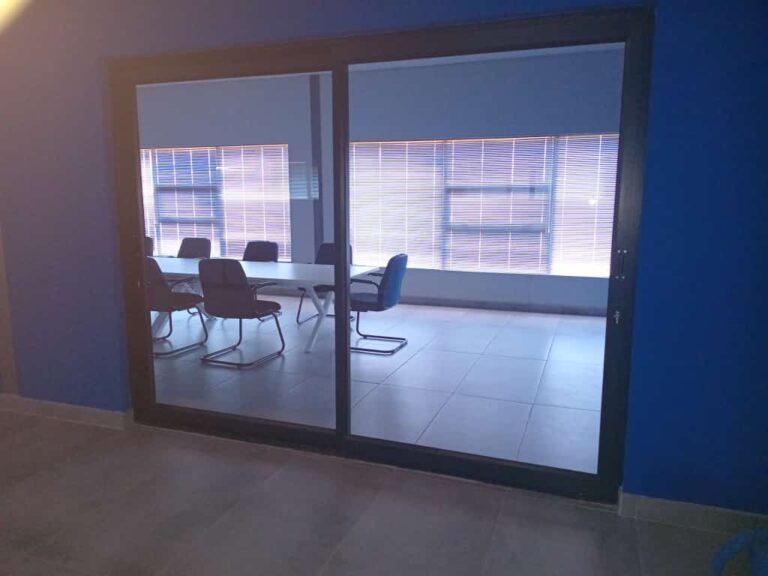
TruAluminium pty ltd specialises in manufacturing and installation of all Aluminium and Glass custom sized windows and doors(sliding doors,folding doors,stable Read more...
Sulta Tech is an elite AI engineering and development firm dedicated to transforming how modern enterprises interact with artificial intelligence. Read more...
The Jacaranda City and South Africa’s Administrative Heart
Pretoria is situated in the northern part of the Gauteng province and serves as the executive capital of South Africa. Founded in 1855 and named after the Voortrekker leader Andries Pretorius, the city is world-famous for its thousands of jacaranda trees that paint the streets in vibrant purple during the spring months.
It is a city of grand monuments, expansive parks, and deep historical significance, functioning as the administrative soul of the nation. Pretoria offers a sophisticated urban environment that balances its role as a political powerhouse with a high quality of life and a thriving academic culture.
The Economy: Diplomacy, Government, and Industry
Pretoria’s economy is defined by its role as a global diplomatic hub and a center for heavy manufacturing and research.
The Seat of Government: As the administrative capital, the city hosts the majority of South Africa's national government departments and over 130 foreign embassies and high commissions, making it one of the largest diplomatic centers in the world.
Automotive Hub: The northern suburb of Rosslyn is a titan of South African manufacturing, housing major assembly plants for global giants like BMW, Nissan, and Ford. This industrial cluster supports an extensive ecosystem of logistics and component manufacturing firms.
Education and Research: The city is a premier academic center, home to the University of Pretoria (UP), the Tshwane University of Technology (TUT), and UNISA (the largest open distance learning institution in Africa). It also hosts the Council for Scientific and Industrial Research (CSIR), the continent's largest research and development organization.
Commerce and Retail: Major retail nodes like Menlyn Park Shopping Centre—one of the largest in the Southern Hemisphere—and the innovative Menlyn Maine "green" precinct drive the city's commercial energy.
Landmarks and Cultural Heritage
Pretoria offers a blend of historical gravity and natural beauty, reflecting the complex layers of South Africa’s journey.
The Union Buildings: Designed by Sir Herbert Baker, this crescent-shaped architectural masterpiece sits atop Meintjieskop. It is the official seat of the South African government and features a massive bronze statue of Nelson Mandela overlooking the city.
The Voortrekker Monument: A massive granite structure built to honor the pioneers of the Great Trek. It is a National Heritage Site known for its intricate marble friezes and its commanding view of the Tshwane skyline.
Freedom Park: Located on Salvokop, this heritage site acts as a memorial to those who died in the struggle for humanity and freedom in South Africa, offering a contemplative space that serves as a bridge between the past and the future.
National Zoological Garden: Commonly known as the Pretoria Zoo, this is the largest zoo in the country and is internationally recognized for its successful breeding programs and diverse collection of species.
Church Square: The historic heart of the city, surrounded by magnificent late 19th-century buildings like the Palace of Justice and the Ou Raadsaal, centered around the iconic statue of Paul Kruger.
Infrastructure and Connectivity
The city’s infrastructure is designed to facilitate both local movement and vital national transit routes.
Gautrain: Pretoria is a primary terminal on the Gautrain rapid rail network, providing high-speed connections to Centurion, Sandton, and OR Tambo International Airport.
National Highway Hub: The city is the meeting point of the N1, N4, and N14 national highways, serving as the primary gateway to the northern provinces and neighboring countries like Botswana and Zimbabwe.
A Re Yeng: The city's bus rapid transit system provides dedicated lane services for commuters, integrating the various residential and commercial hubs of the capital with modern, efficient transport.
Pretoria stands as a symbol of South Africa’s transition—a city where historic colonial and apartheid-era architecture meets the vibrant, multi-cultural energy of a modern African capital.